


Letters & reading
2nd gradeAlphabetizing Three Words with the Same First Letter
Order three words that share a first letter by comparing the next different letters and checking them against an alphabet reference.
17 min read brainhuntersacademy
Grade 2. Practical activities for children ages 7–8: letters, counting, shapes, colors, science, and social learning, with examples and tips for parents.

Order three words that share a first letter by comparing the next different letters and checking them against an alphabet reference.
17 min readDescribe a story character using a specific action, words, or illustration as evidence, while distinguishing observation from inference.
17 min read
Help a beginning writer check one fact, choose two useful sentences, and make a short report that a reader can understand.
18 min read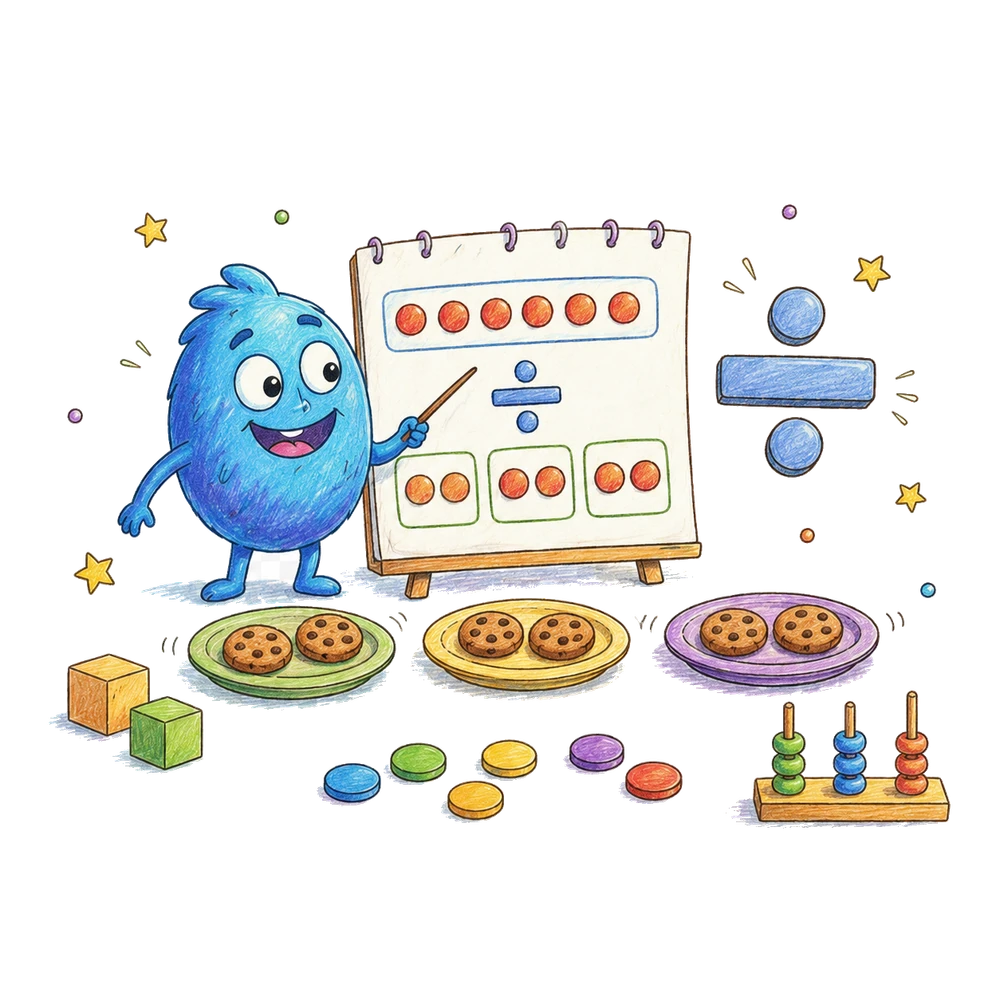
Compare equal counts with context-dependent ideas of fairness using concrete sharing examples and questions children can discuss.
17 min readPair objects to investigate odd and even counts, check a leftover, and connect the result to addition and number patterns.
17 min read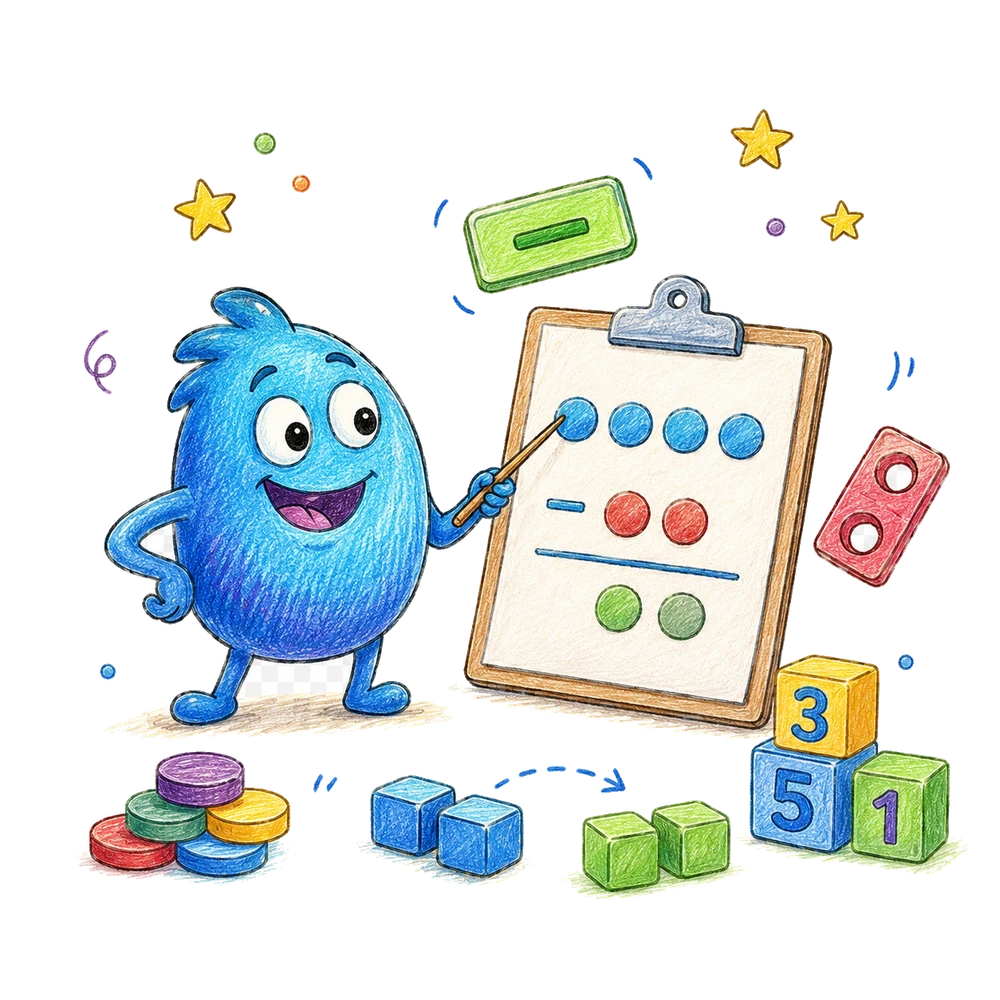
Use a known double and one extra block to model near doubles, explain the adjustment, and check the resulting sum.
17 min read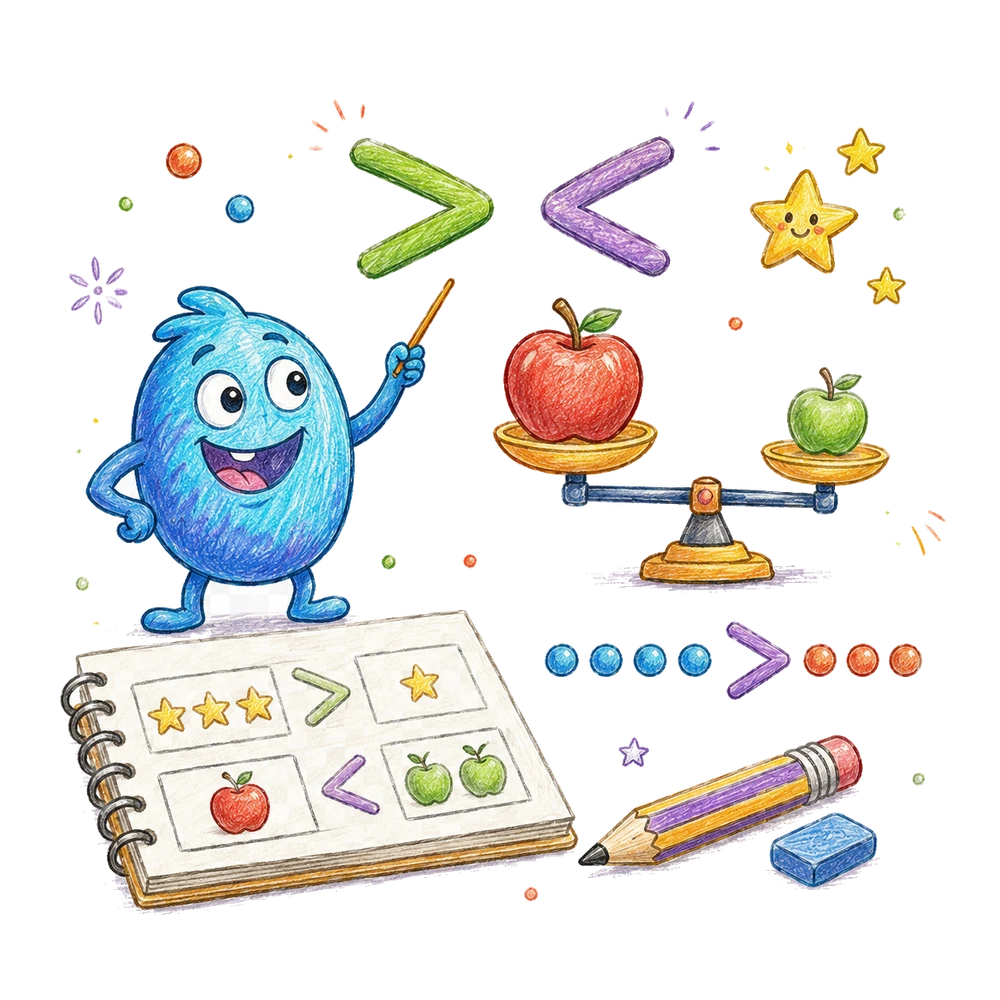
Compare two-digit numbers by modeling tens and ones, checking the tens first, and comparing ones when the tens match.
17 min read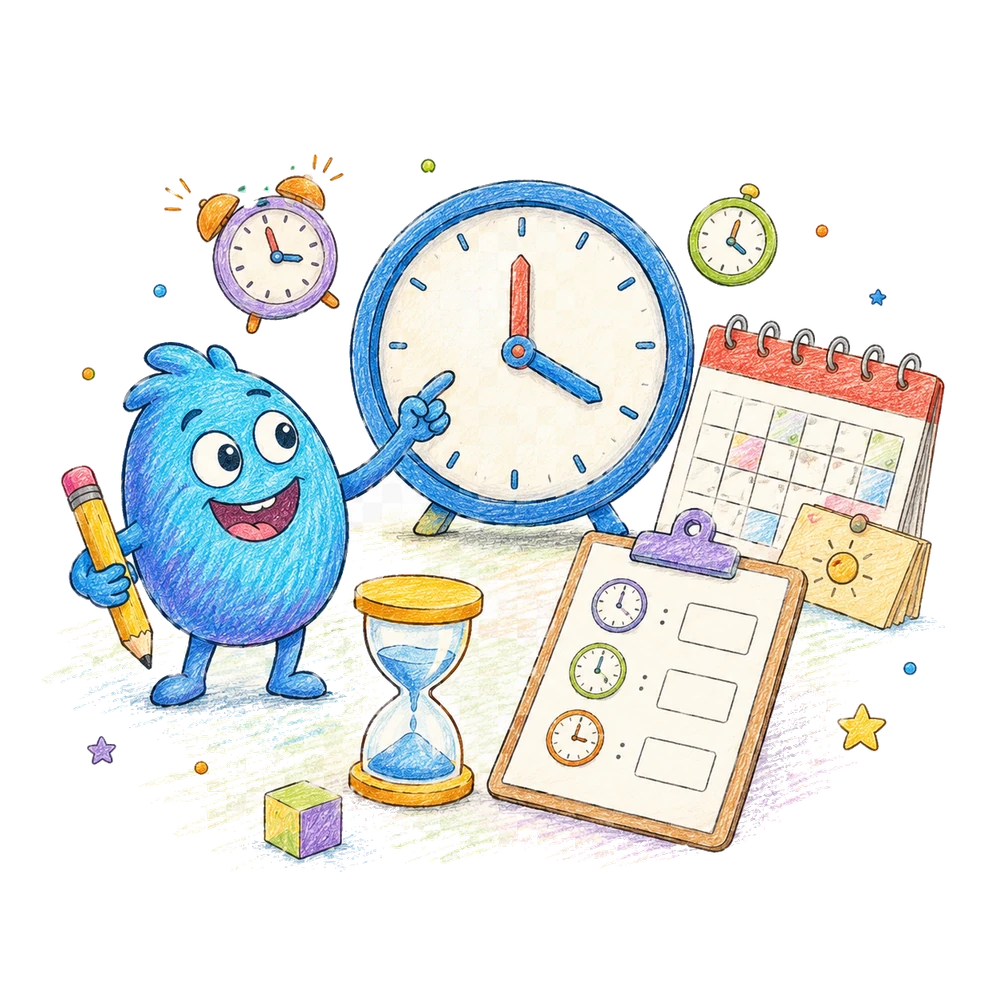
Read half-hour times on an analog clock by placing the minute hand at 6 and the hour hand between consecutive hour marks.
17 min read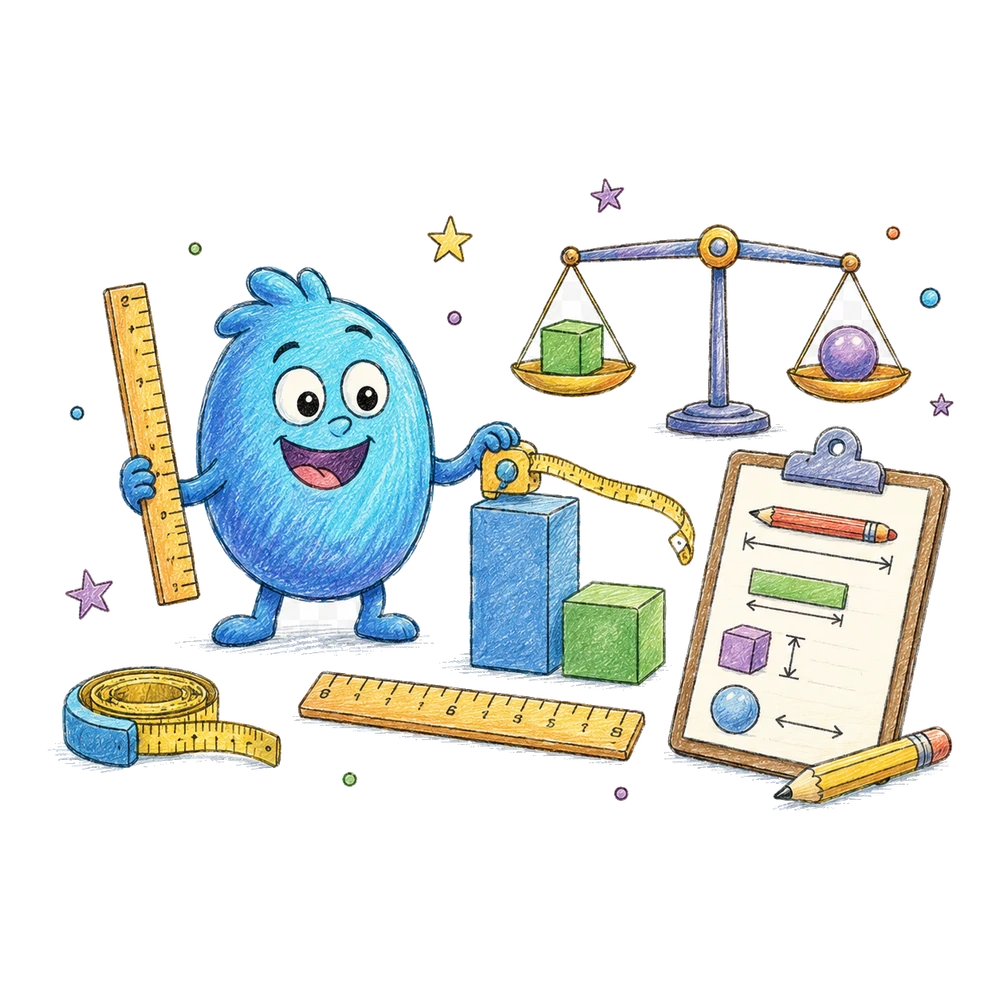
Explore the values of common U.S. coins with drawings, equal-value exchanges, and checks that distinguish coin count from monetary value.
17 min readExplore a quarter turn and four equal parts as related uses of one quarter, while keeping rotation and area division distinct.
17 min readCheck a math answer using a second representation, explain what each model shows, and resolve disagreements between them.
17 min read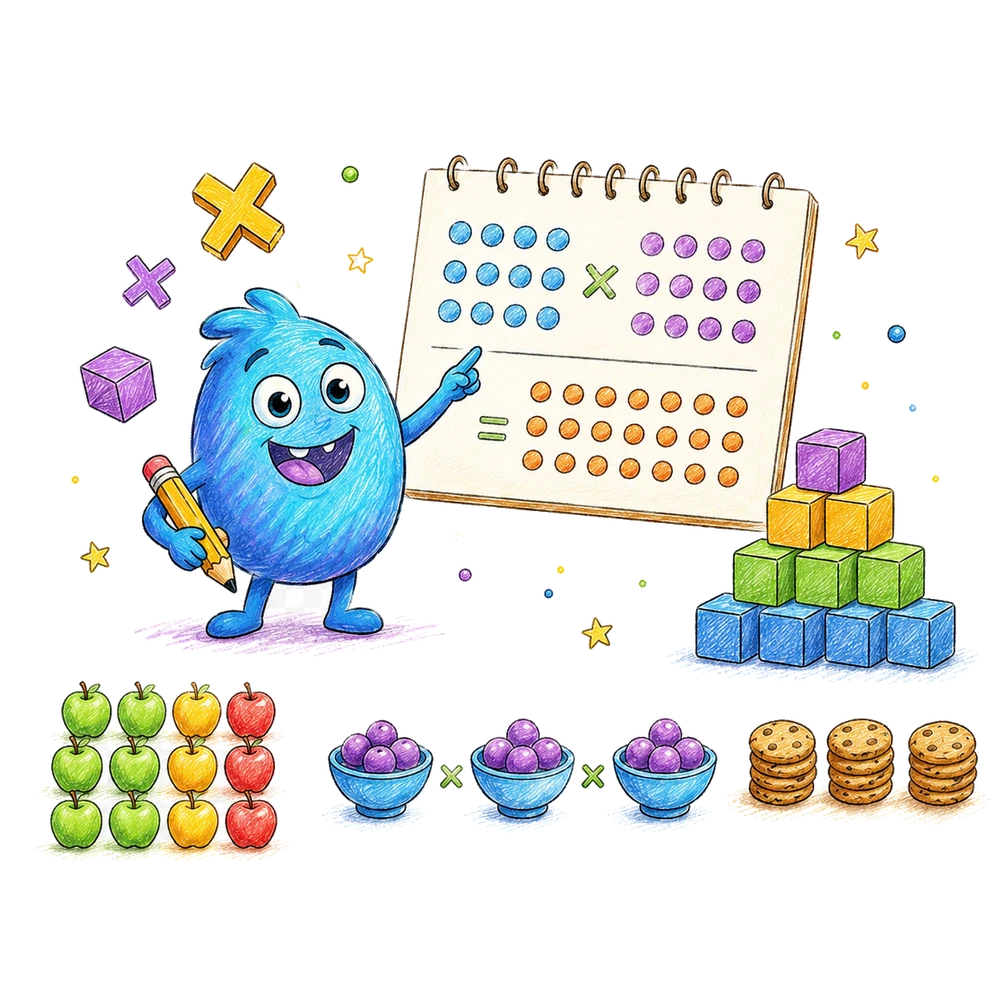
Count outward points and inward corners on a paper star, keeping the chosen boundary and counting rule clear.
17 min read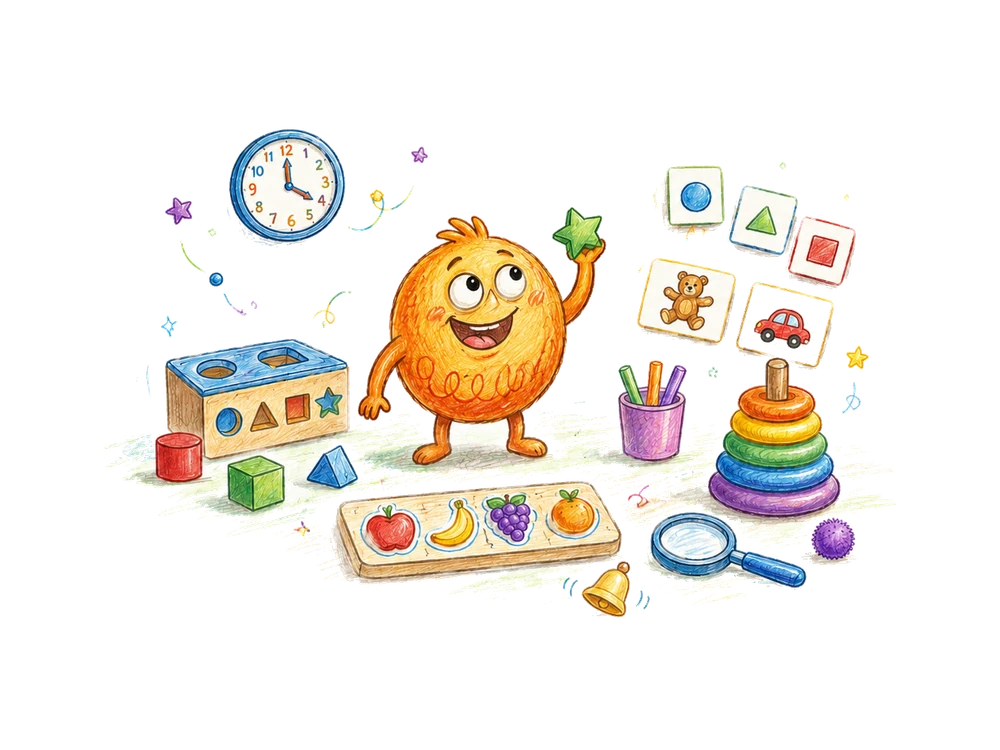
Arrange a few large paper pieces into a simple picture, compare edges and orientations, and revise a tangram-style design without assuming a unique solution.
17 min read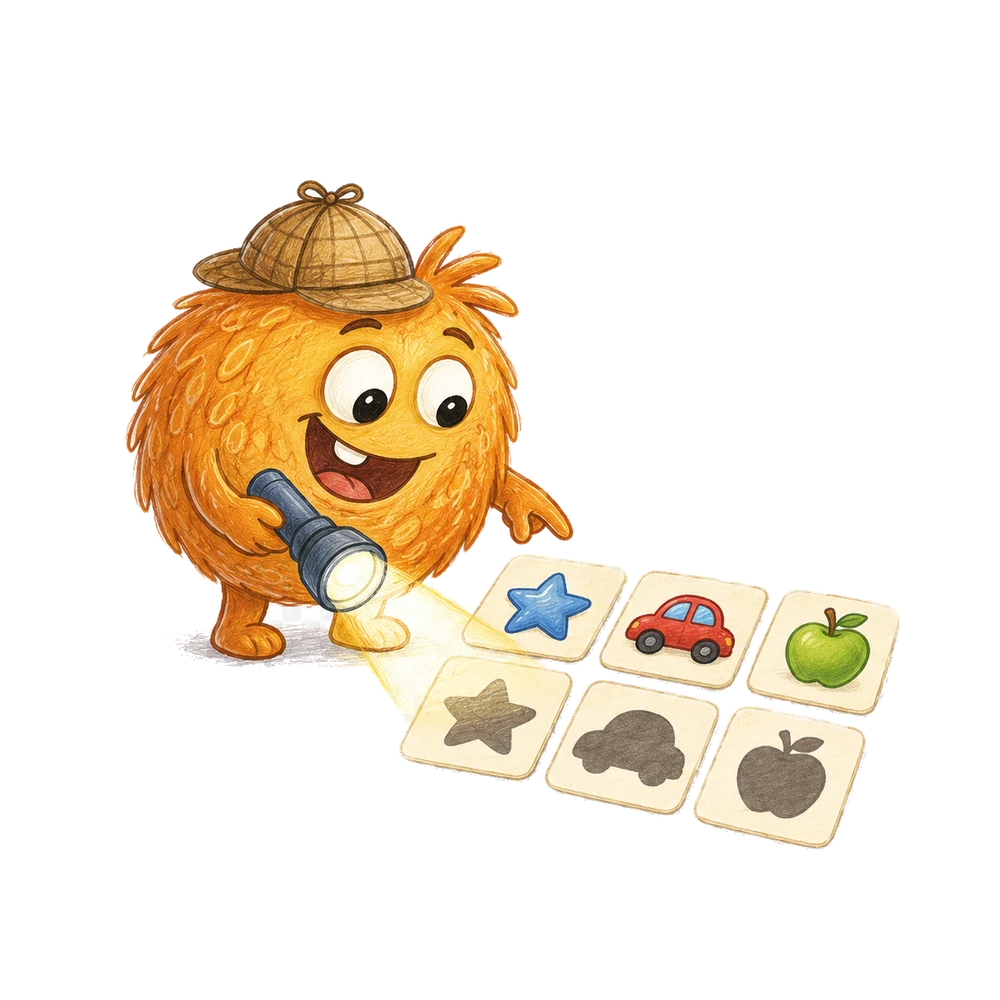
Describe a chosen shape by its boundary, sides, corners, and other visible features so a partner can identify it.
17 min read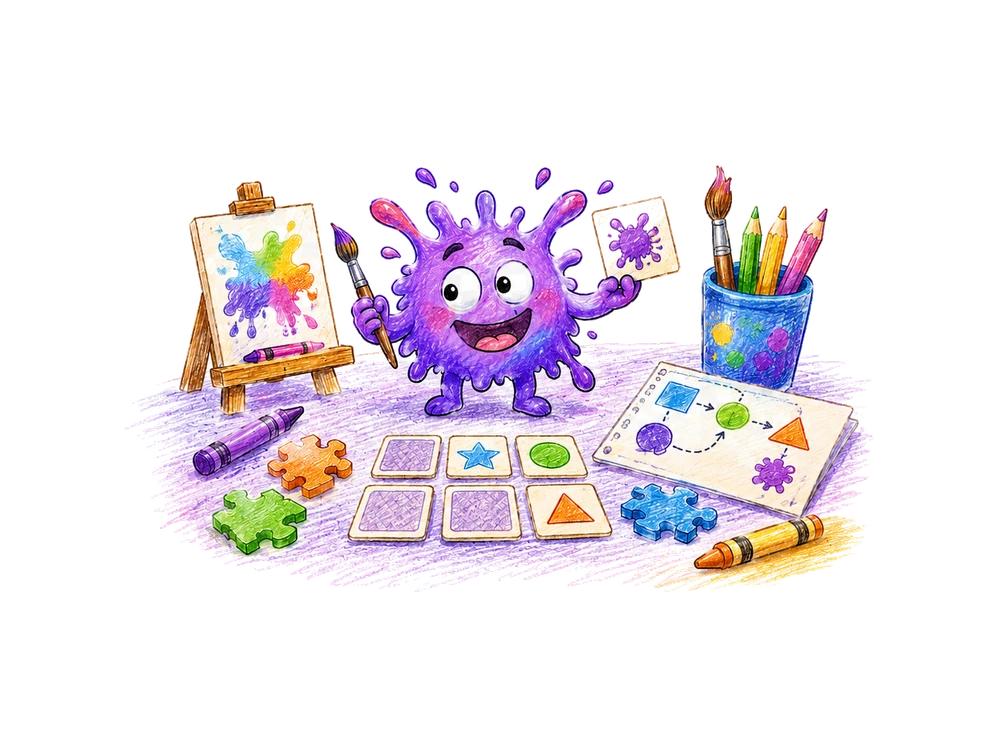
Compare an on-screen color with a paint sample and explore why light, pigments, materials, and viewing conditions can produce different results.
17 min read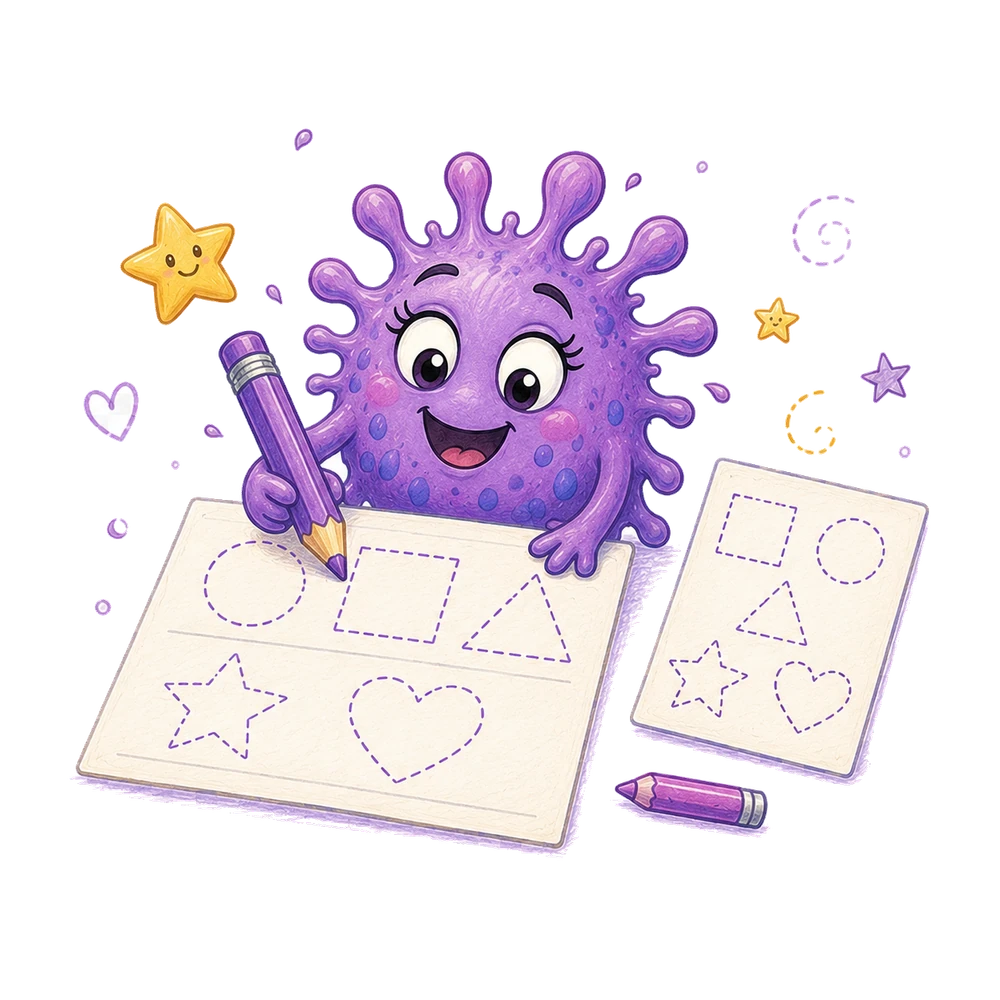
Explore warm and cool color groups as an artistic convention, compare clear examples, and explain choices without treating the categories as fixed facts.
17 min readCompare small water drops on two suitable materials with clear timing, accessible observations, and careful limits on conclusions.
17 min read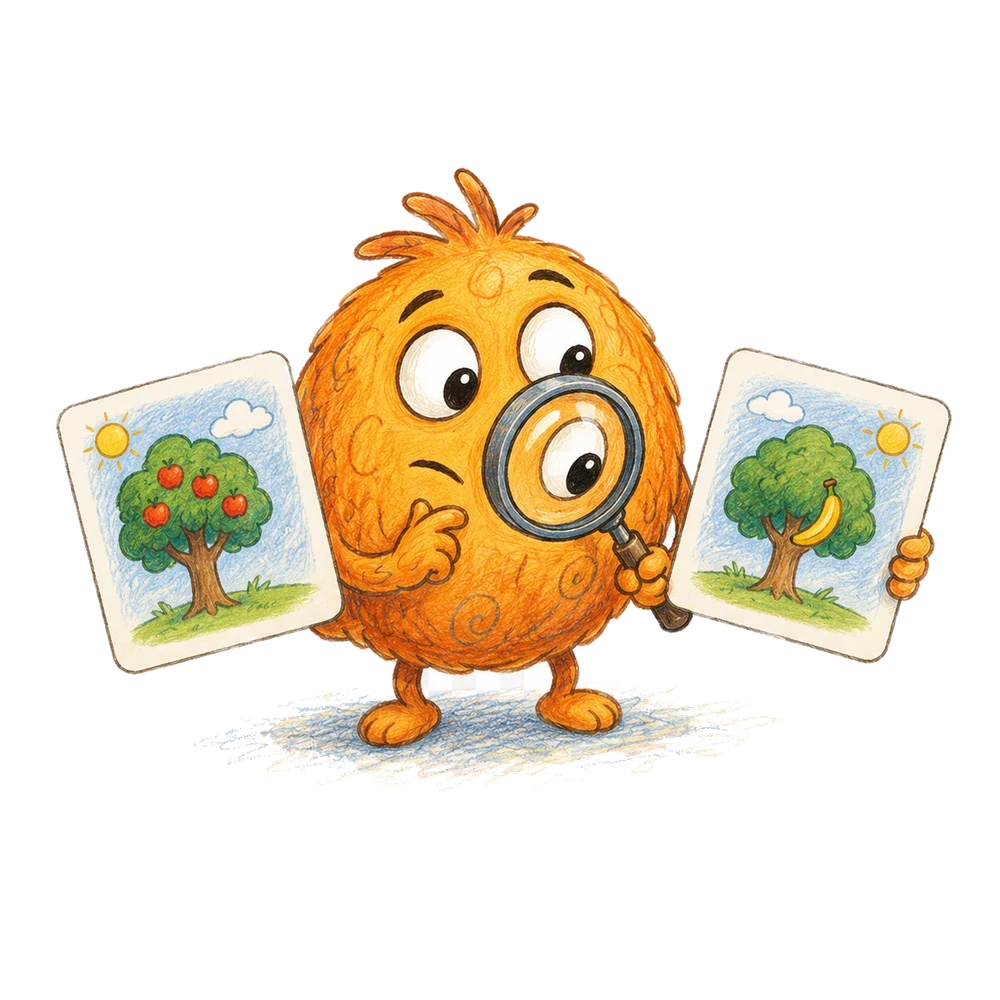
Observe a gently plucked rubber band and discuss vibration with adult control, safe materials, and accessible alternatives.
17 min readCompare how one suitable object slides on two surfaces, using clear starting and stopping references and careful conclusions.
17 min read
Compare a flat and accordion-folded paper bridge across a consistent gap, with a suitable load and clear observations.
17 min readTurn a child’s question about a toy car into a comparison you can try, observe, and record with a simple ramp.
17 min read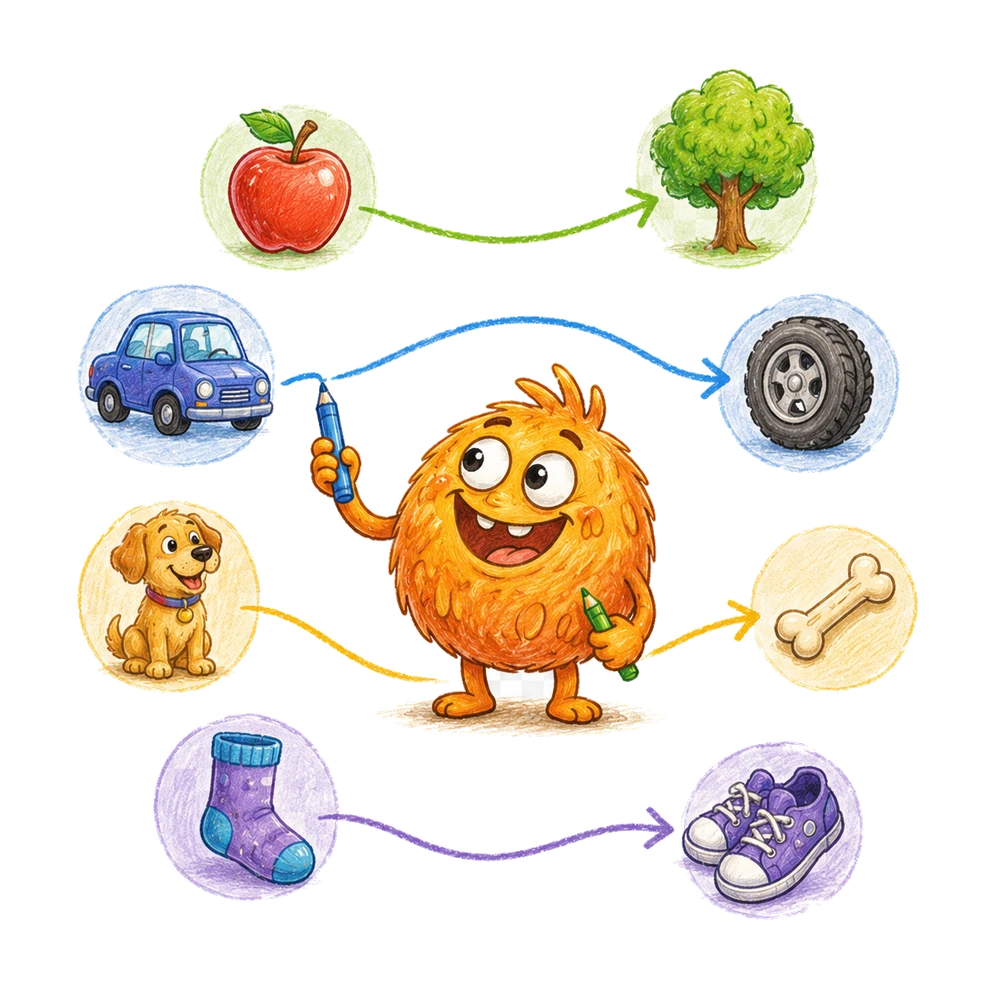
Mark a plant’s height on a paper strip, repeat the measurement from the same reference, and compare the dated marks.
17 min readCompare a flat and a folded paper towel using the same measured water and a clearly defined observation.
17 min read
Practice disagreeing with a specific idea, explaining a practical concern, and finding or testing another option without attacking the person.
17 min read