




Letters & reading
PreschoolUppercase and Lowercase Letter Matching at Home
Recognize two printed forms of the same letter. A matches a, while B matches b.
9 min read brainhuntersacademy
Preschool. Practical activities for children ages 3–4: letters, counting, shapes, colors, science, and social learning, with examples and tips for parents.

Recognize two printed forms of the same letter. A matches a, while B matches b.
9 min read
Connect a personally meaningful spoken name with print. Mia contains M, i, and a in that order.
9 min read
Follow the direction of a short line of English print. We see a red bus starts at We on the left.
10 min readNotice that everyday signs carry predictable messages. A STOP sign carries a message in a specific setting.
9 min read
Match one number word to each object in a small set. One spoon can be moved for each number spoken.
9 min read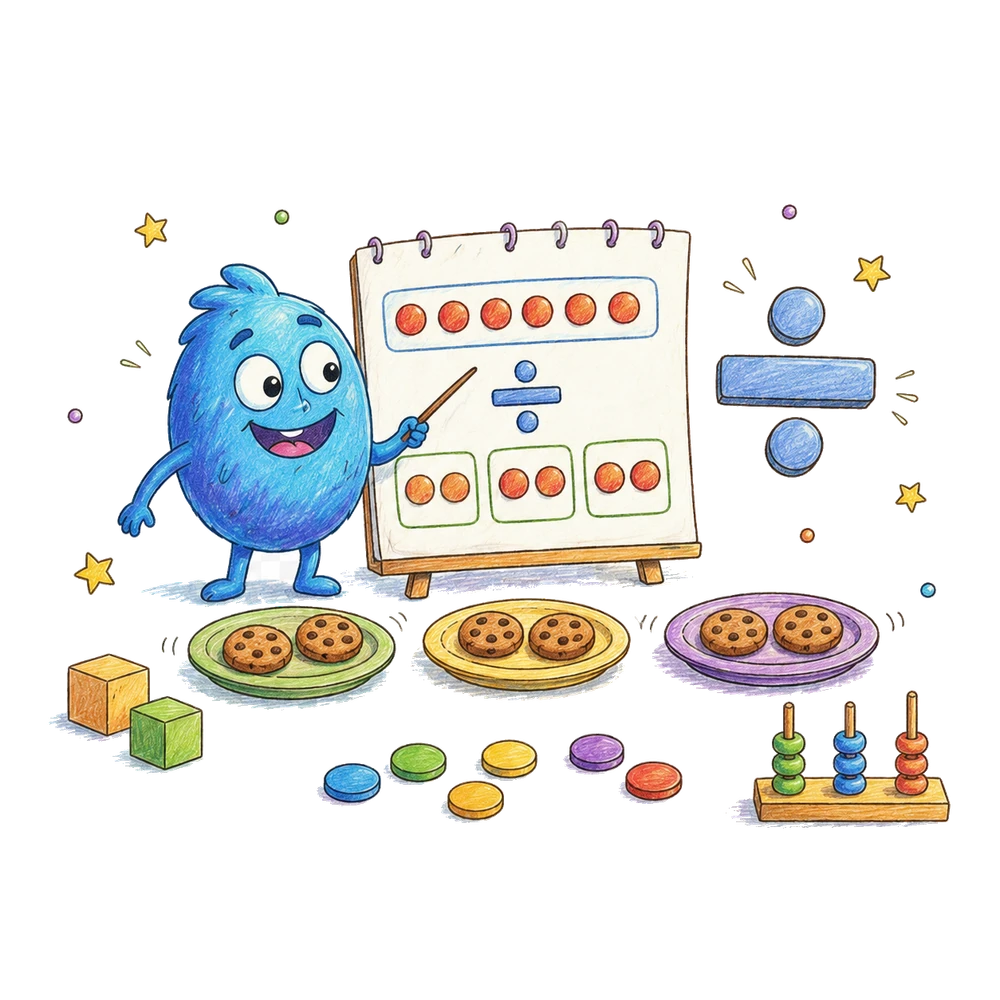
Connect the word zero with a set containing no objects. A basket with no blocks has zero blocks.
9 min read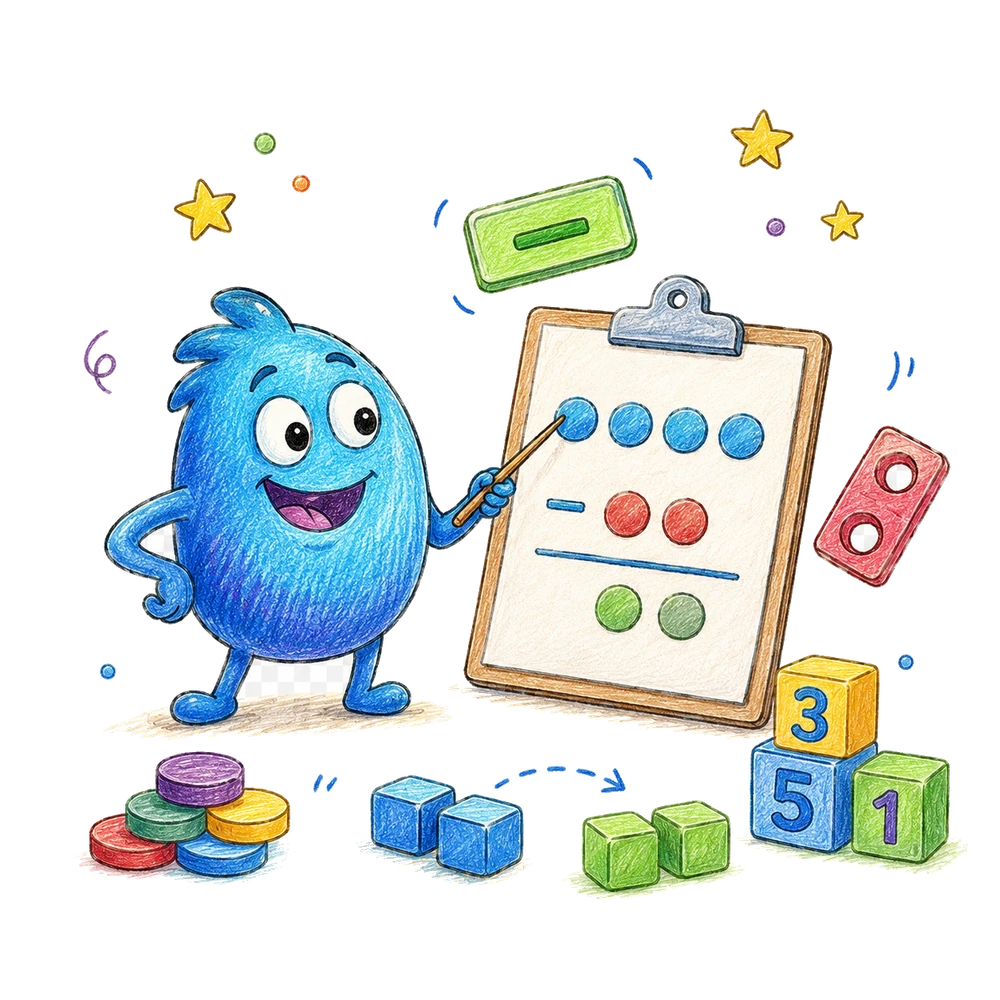
Match a written numeral with a counted group. The space labeled 3 needs three blocks.
9 min read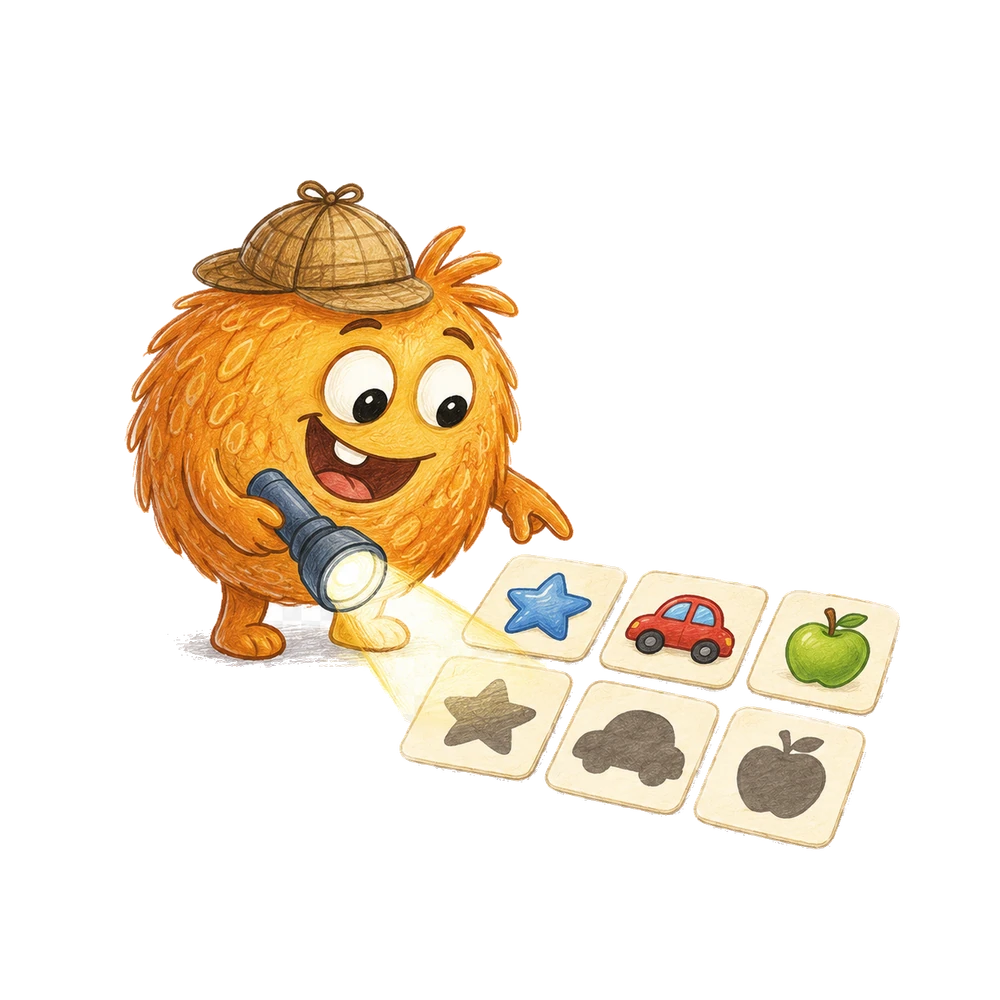
Recognize a circle across different everyday objects. A lid and a drawn wheel can both have circular outlines.
9 min read
Notice the difference between a straight edge and a curve. A ruler’s edge is straight while a rainbow arc is curved.
9 min read
Describe vertical positions using a stable reference. A sun picture can be above a tree picture.
9 min read
Classify a position relative to a visible boundary. A toy fully within the loop is inside it.
9 min read
Connect a color word with a visible example. The cup can be described as red without naming its shape.
9 min read
Use color as a consistent sorting property. Blue socks can share a basket even when their sizes differ.
9 min read
Recognize one color across unrelated objects. A red toy and a red cloth can match despite different uses.
9 min read
Find a shared color in a small visual set. A yellow block can match the paper even when it is smaller.
9 min readRecognize purple across several simple materials. A purple mark can match a purple card despite a different texture.
9 min read
Practice a clear predictable exchange of a shared object. One person has a turn while the other knows whose turn comes next.
9 min read
Contribute a manageable action to a shared task. One child gathers blocks while another holds the basket.
9 min read
Understand what can happen while another turn or task finishes. Looking at a book can be an option while a grown-up finishes one step.
9 min read
Fit one small learning invitation into an existing morning moment. Counting three spoons can be enough for one morning.
9 min readCreate a predictable shared reading endpoint. One short book can fit between pajamas and lights out.
9 min read
Use a real sorting purpose during an ordinary household task. Blocks and books already belong in different places.
9 min read
Introduce print through familiar images and voluntary exploration. A child can notice the M beside a familiar name without reciting the alphabet.
10 min read
Explore very small groups with concrete objects. One, two, three can describe three moved blocks.
9 min read