




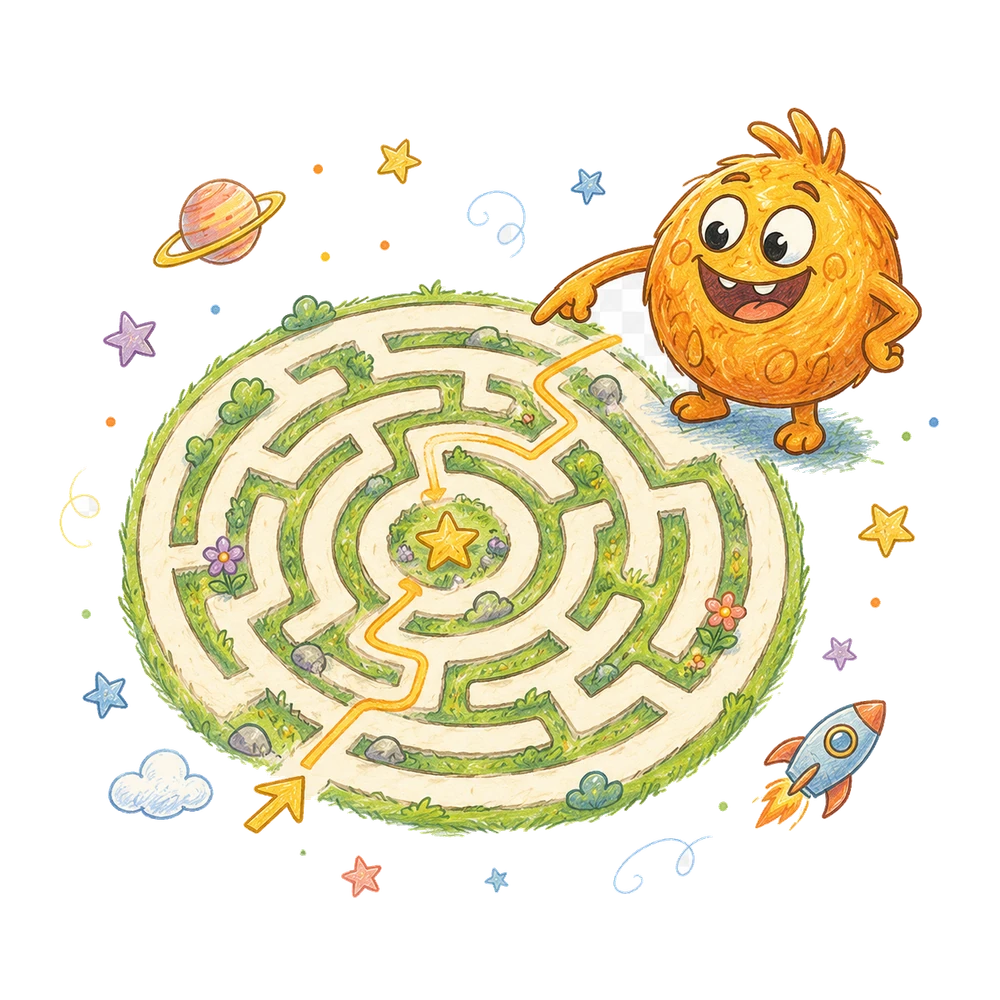
Shapes & spatial thinking
1st gradeSquares and Rectangles: Talking about Shared Features
Compare four-sided shapes without relying only on their names. Both shapes have four right-angle corners, while a square has equal sides.
9 min read brainhuntersacademy
Shapes & spatial thinking · Grade 1. Practical activities for children ages 6–7: letters, counting, shapes, colors, science, and social learning, with examples and tips for parents.

Compare four-sided shapes without relying only on their names. Both shapes have four right-angle corners, while a square has equal sides.
9 min read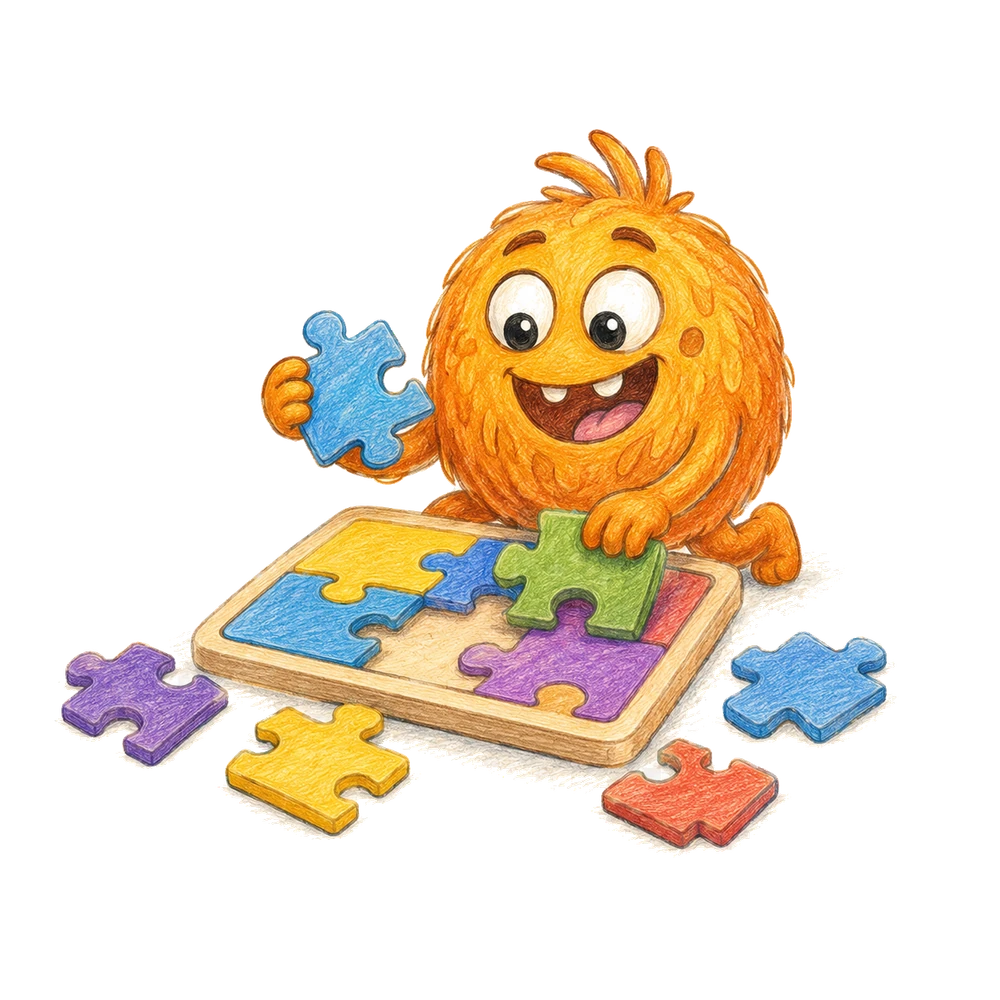
Recognize and count the six sides of a hexagon. One hexagon has six straight boundary sides.
9 min read
Identify an eight-sided outline while separating shape from sign meaning. An octagon has eight sides even without printed words.
9 min readPredict how a piece might fit after a turn. A triangle-shaped piece may fit after a quarter turn.
9 min read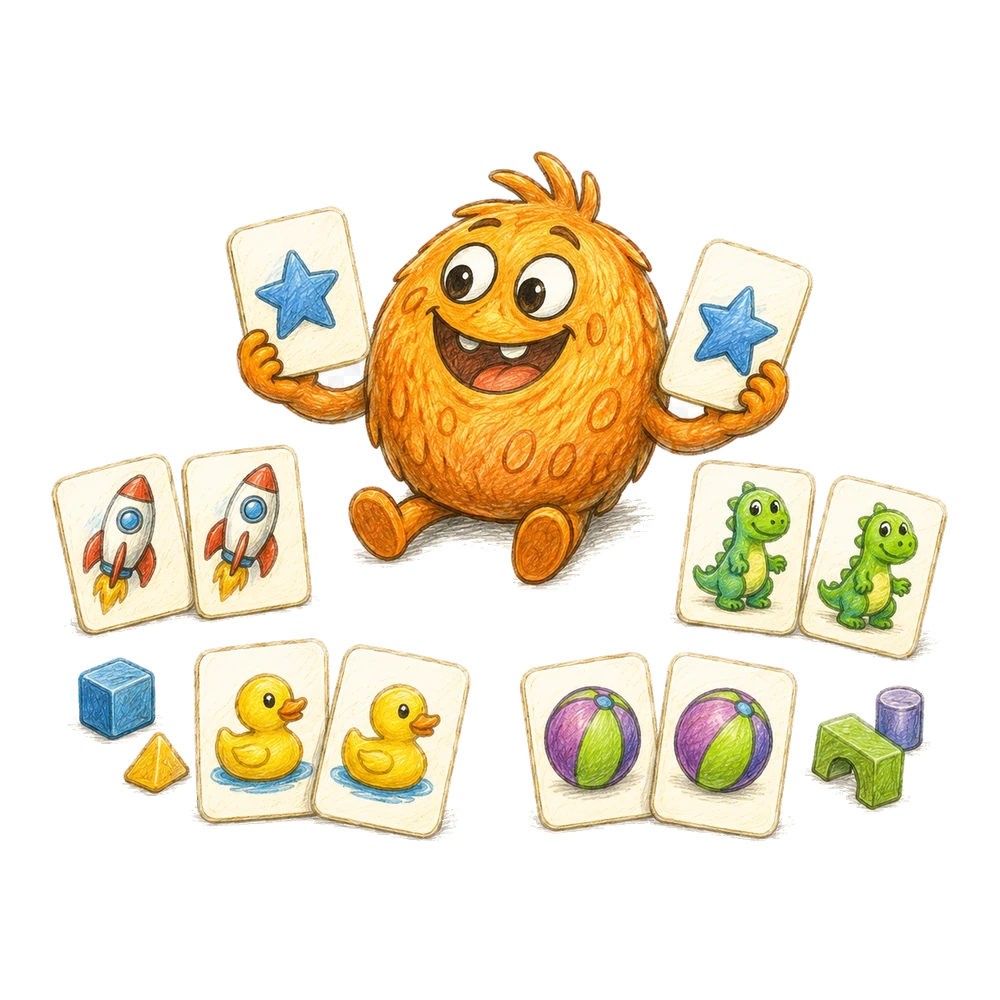
Represent real positions with a small overhead drawing. A rectangle on the map can stand for the sofa.
9 min readNotice whether two halves correspond across a fold line. Matching butterfly wings can reflect across a central line.
9 min readDistinguish a flat drawing from an object that takes up space. A paper circle is flat, while a ball is a solid object.
10 min readRecognize that a repeating unit can contain three items. Circle, circle, square repeats as a three-item unit.
9 min readJustify a classification using a visible property. The square differs because it has four sides.
9 min read
Plan a continuous route while respecting a boundary. The path must remain inside the maze’s open corridors.
9 min read