




Materials & format comparisons
1st gradePrinted Worksheets vs Reusable Activity Cards
Compare formats by repetition, writing needs, and flexibility. Cards can be rearranged while a worksheet preserves a written record.
9 min read brainhuntersacademy
Materials & format comparisons · Grade 1. Practical activities for children ages 6–7: letters, counting, shapes, colors, science, and social learning, with examples and tips for parents.

Compare formats by repetition, writing needs, and flexibility. Cards can be rearranged while a worksheet preserves a written record.
9 min read
Choose a participation format based on the task’s familiarity. A new direction may benefit from shared exploration.
9 min read
Compare how a game’s goal affects participation. One format names a winner while the other asks players to finish together.
9 min read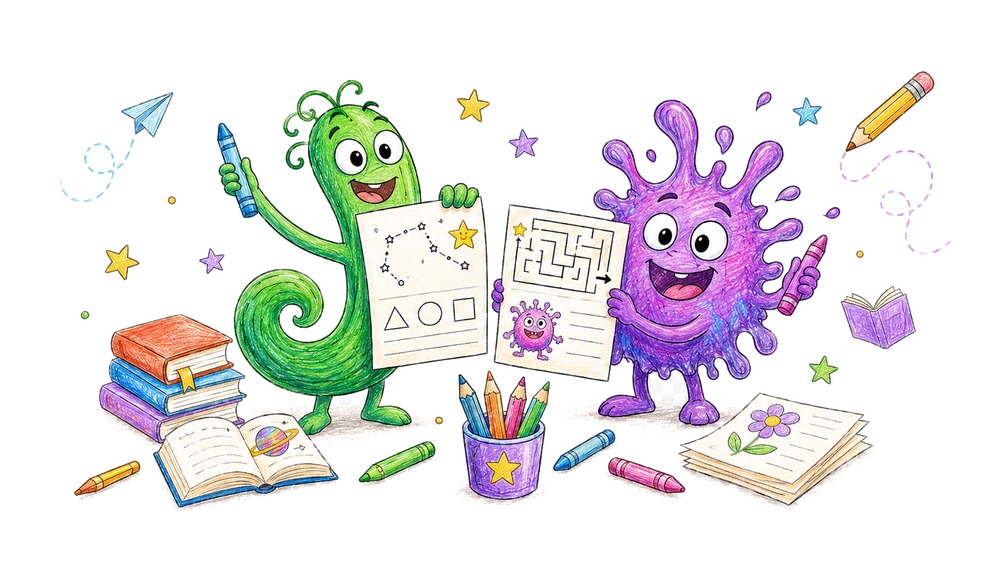
Compare invention with following a specified model. Free building invites an original plan while a model asks for a particular arrangement.
9 min read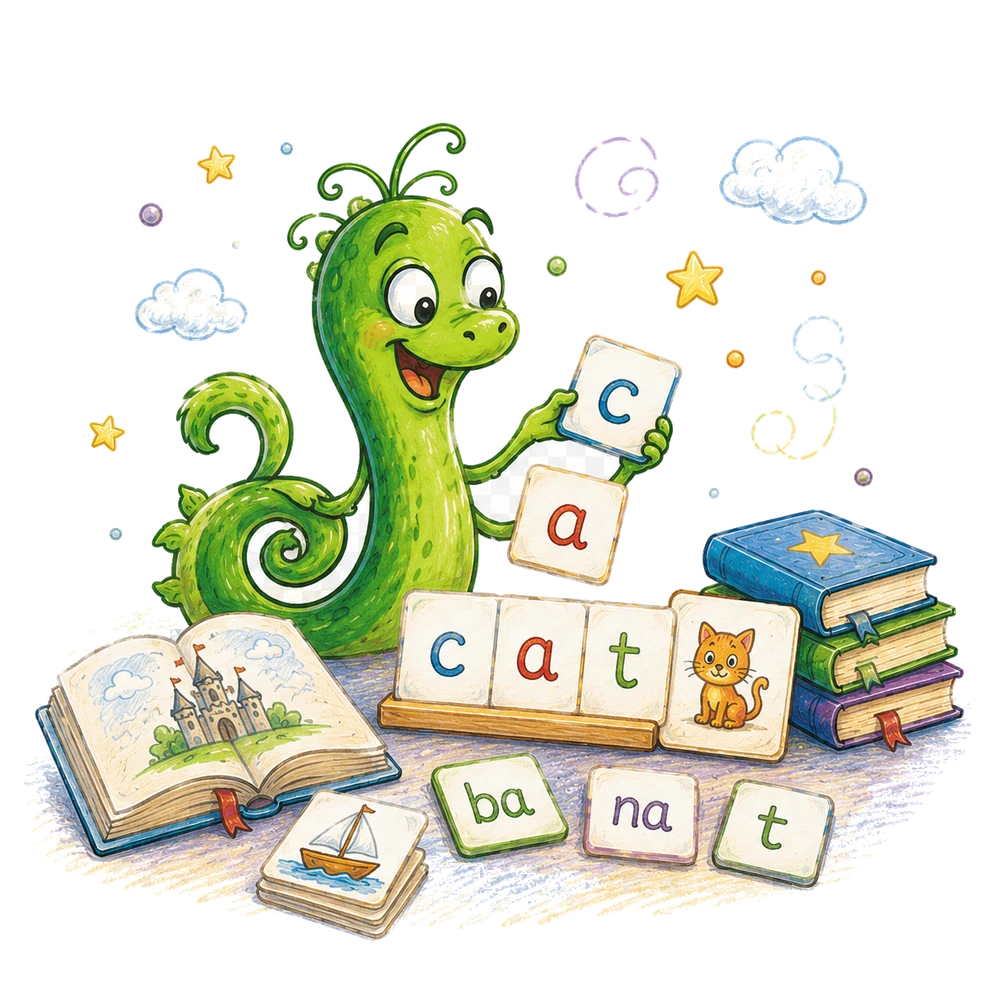
Separate vocabulary recognition from reading demands. A child may sort animal pictures before independently reading their names.
9 min read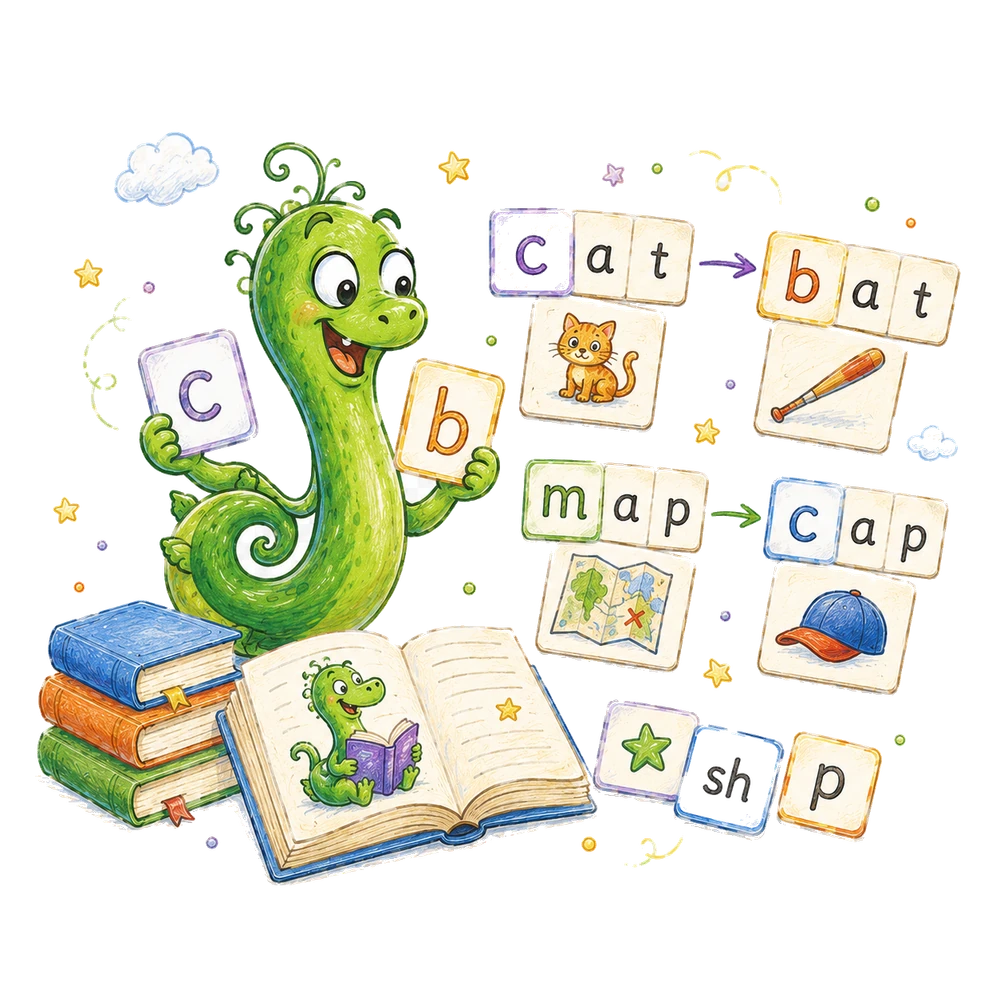
Compare isolated recognition with reading in a meaningful context. Can on a card and can in I can hop use the same printed word.
9 min readChoose formats by purpose rather than by the number of tools used. The same counting idea can appear on screen and at the table.
10 min read
Compare routines by fit, attention, and available support. A busy family may manage brief invitations more easily than long sessions.
9 min readCompare representations of the same time. 3:00 can be represented by hands or by numerals.
9 min read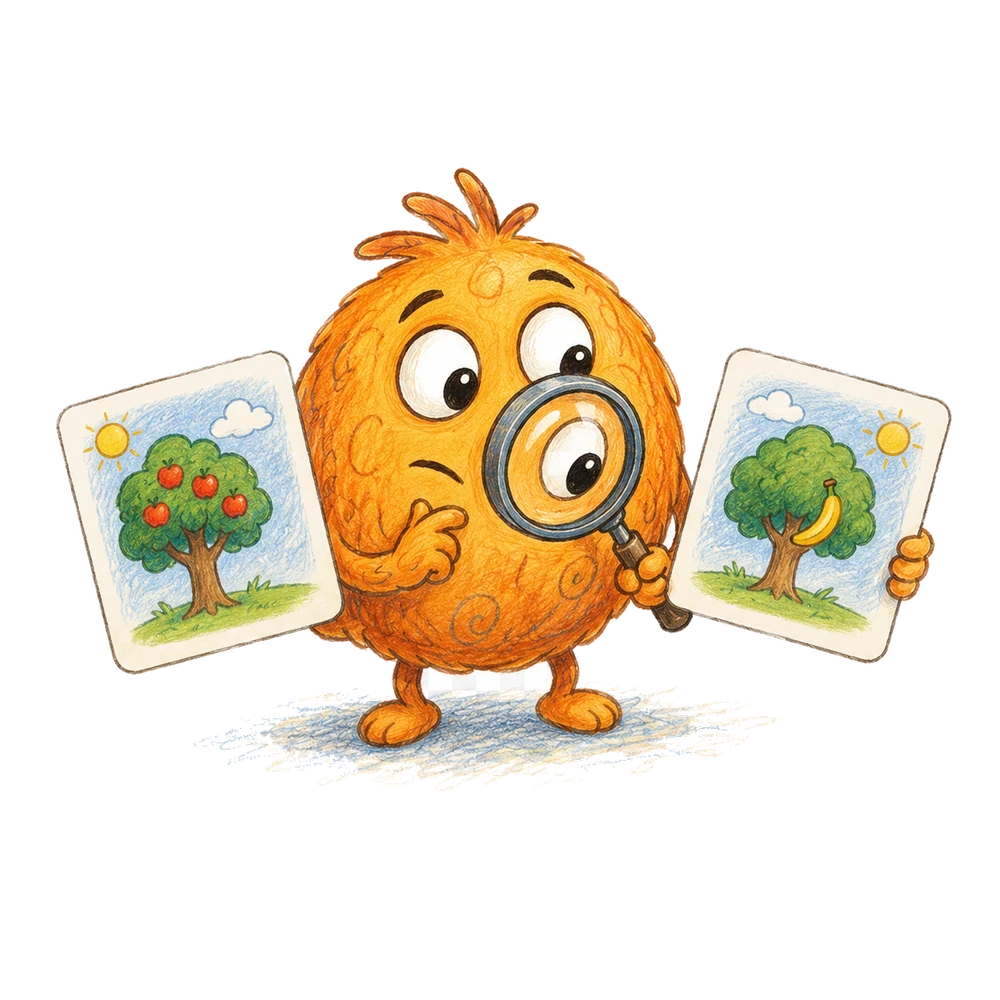
Choose an observation format with suitable detail and access. A photograph stays still while a living scene may change.
9 min readChoose between focused practice and a task that combines demands. Matching shape alone differs from finding a red triangle.
9 min read