




Letters & reading
1st gradeFinding the Last Sound in a Word
Listen carefully to the final sound instead of the initial one. Map ends in /p/ and sun ends in /n/.
10 min read brainhuntersacademy
Grade 1. Practical activities for children ages 6–7: letters, counting, shapes, colors, science, and social learning, with examples and tips for parents.

Listen carefully to the final sound instead of the initial one. Map ends in /p/ and sun ends in /n/.
10 min read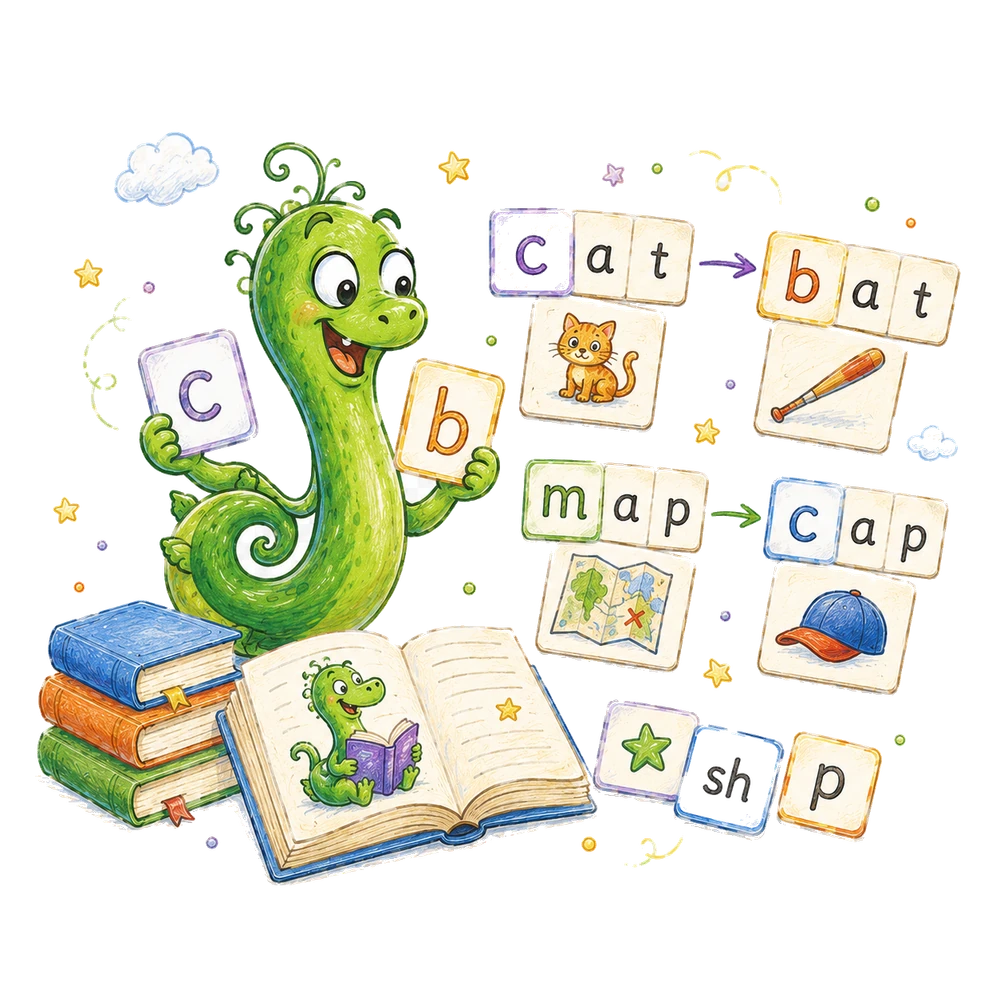
Compare the middle vowel sound in a simple spoken word. Cap and cup differ in their middle sounds.
9 min read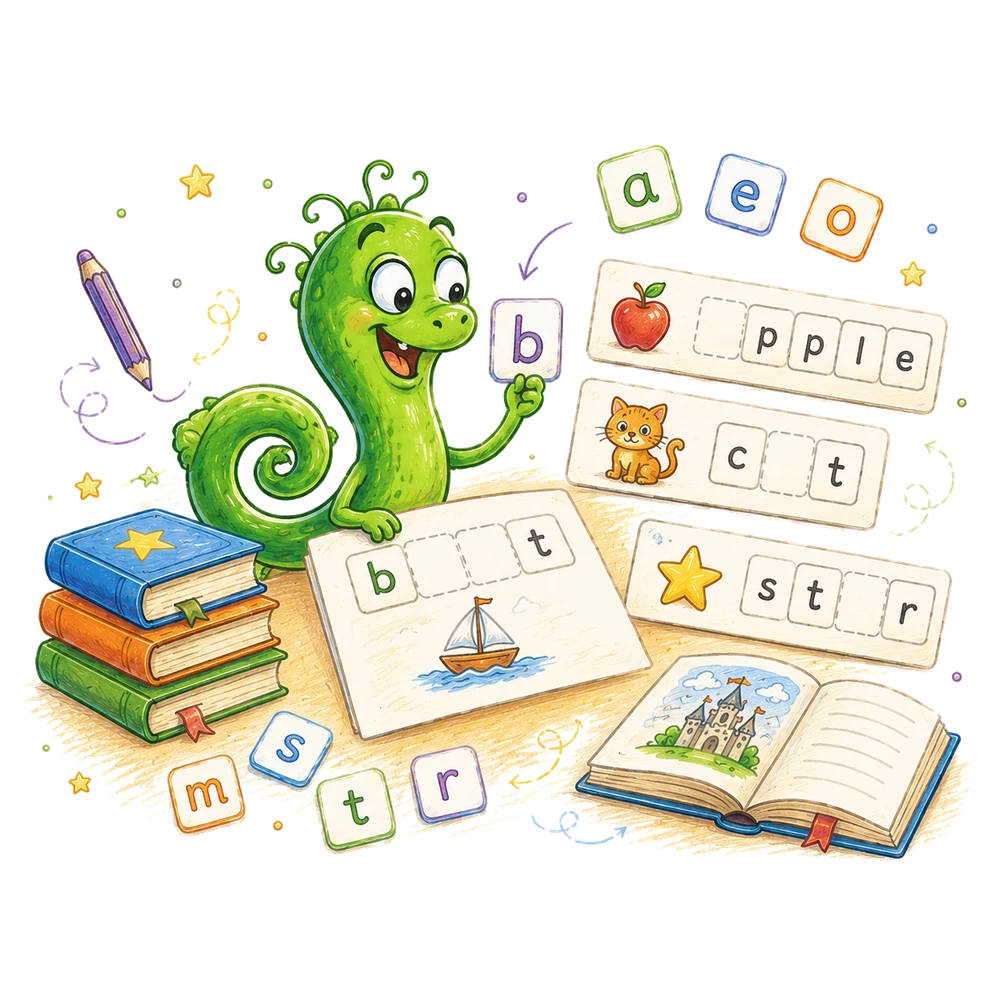
Connect a sequence of three sounds to a short printed word. Map can become mat when p changes to t.
10 min readNotice that some letter pairs represent one sound. Sh at the start of ship represents one sound.
9 min read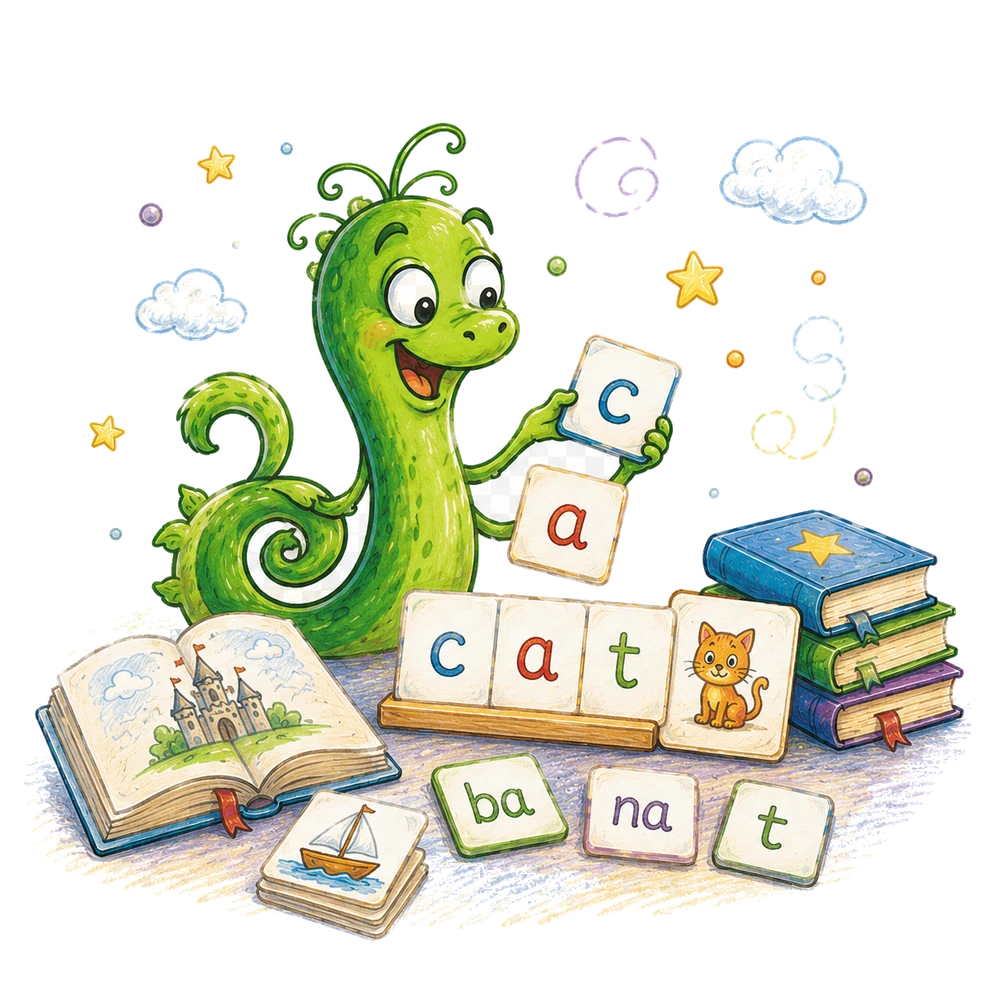
Recognize a useful word inside meaningful connected print. I can hop uses can in a sentence the child can act out.
10 min readUse a known word and picture to choose one missing letter. C_t becomes cat when a fills the gap.
9 min readRecognize a repeated spelling pattern across related words. Cat, hat, and mat share the written ending at.
9 min read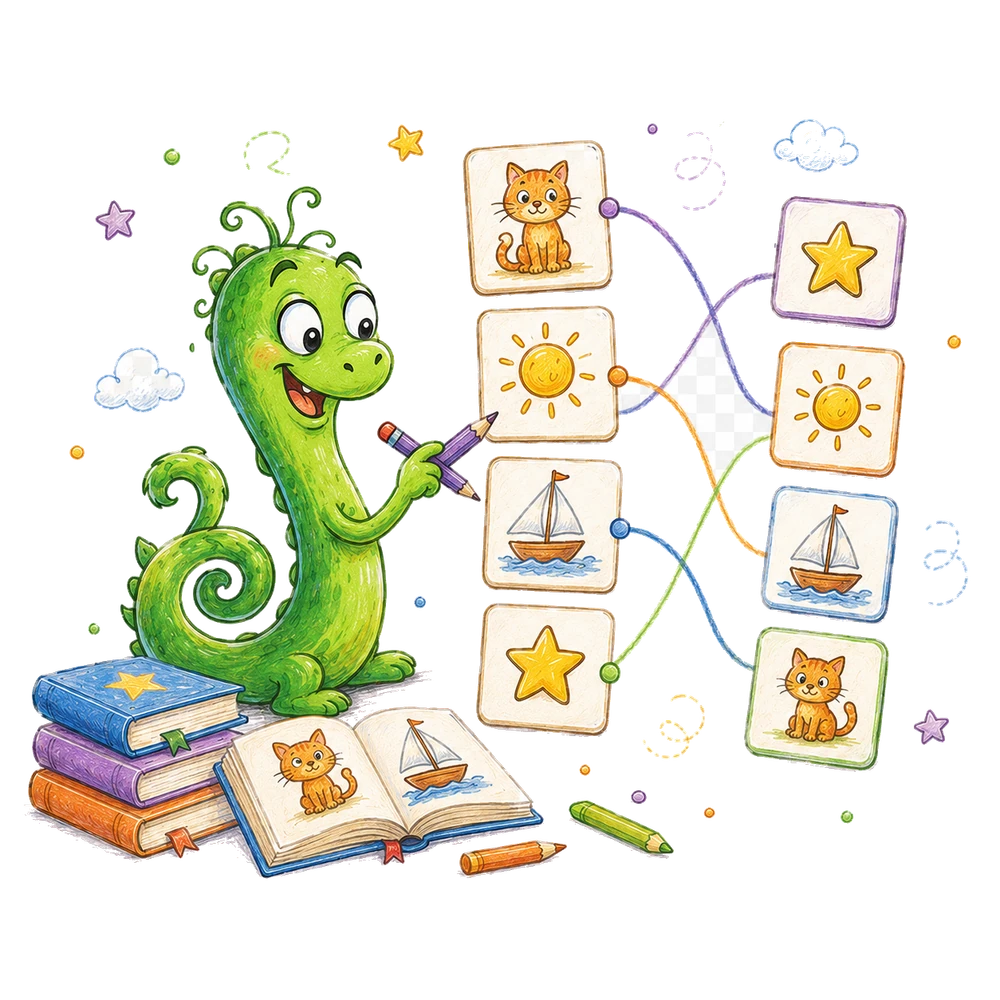
Combine two familiar words into one meaningful word. Sun and flower can join to make sunflower.
9 min readUse the first printed letter as a consistent sorting rule. Apple and ant belong under A.
9 min readDescribe a beginning, middle, and ending in order. The character loses a toy, searches, and finds it.
9 min readAssemble a simple sentence that communicates a complete idea. Mia carries the bag has a who, a does, and a what.
9 min readUse end punctuation as a cue for spoken meaning. We found it. and We found it! can sound different.
9 min readAdjust a reading activity without treating a child’s pace as a race. A familiar animal topic can reduce the effort of understanding new print.
10 min read
Continue a count from an established total. Knowing there are four lets the next count begin at five.
9 min read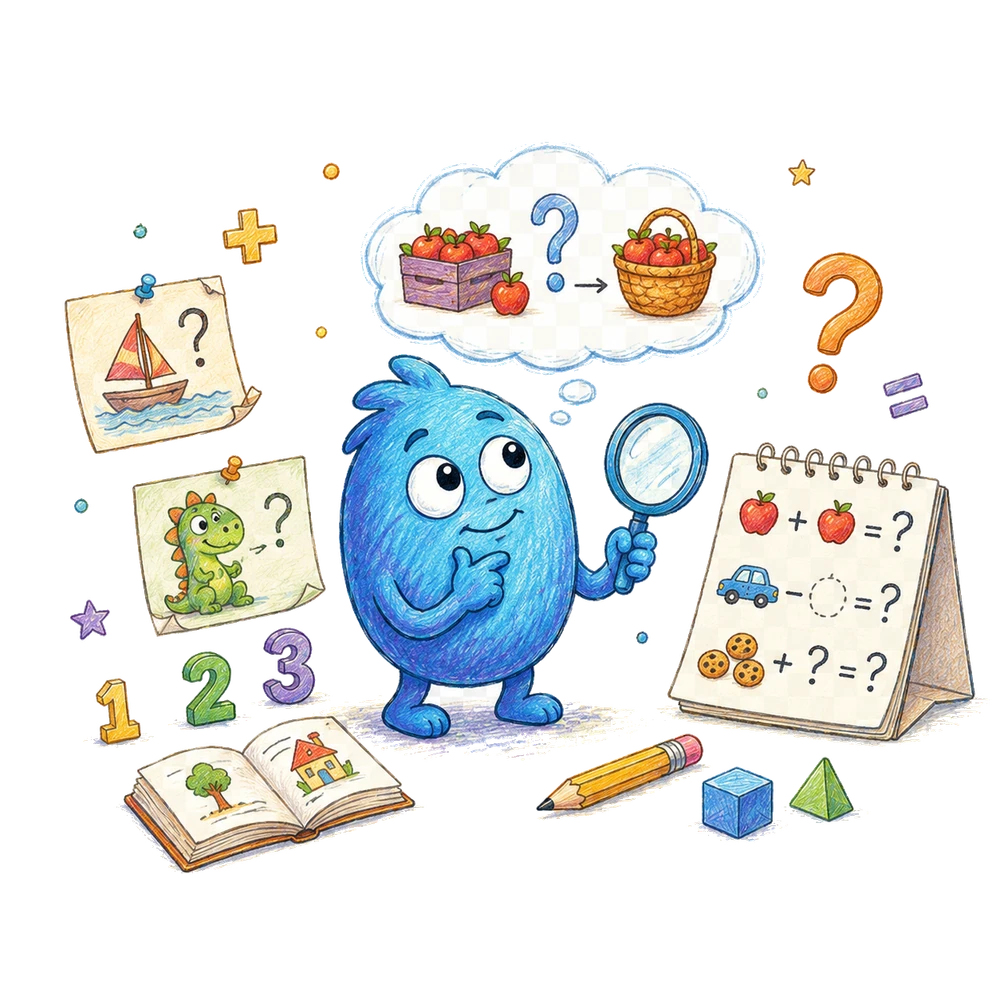
Connect a move along a number line with a numerical change. Starting at 3 and moving two spaces forward lands on 5.
9 min readCount equal pairs as groups of two. Five pairs can be counted as 2, 4, 6, 8, 10.
9 min readConnect equal groups of five with a growing total. Three five-finger outlines represent fifteen fingers.
9 min read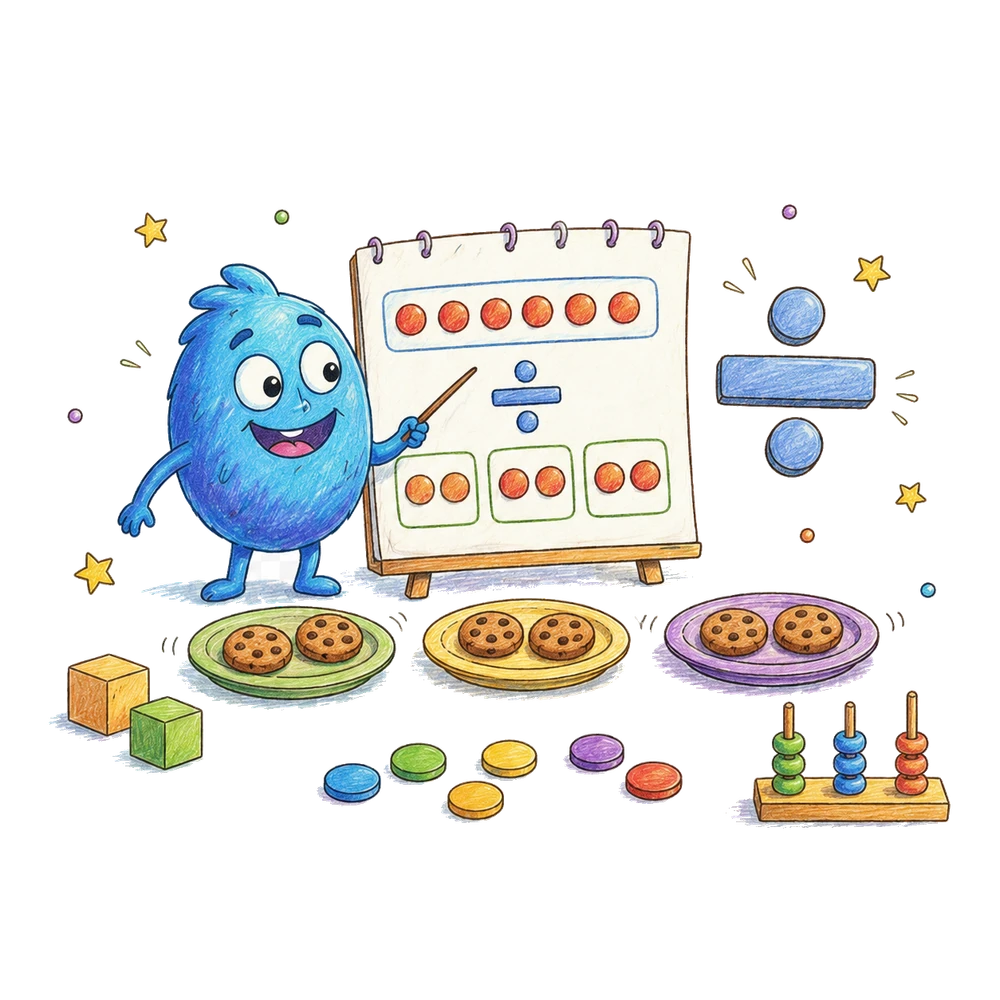
Compose a two-digit number from tens and ones. One bundle and four loose strips represent fourteen.
9 min readDistinguish teen quantities using a full ten and extra ones. Sixteen means a group of ten and six more.
9 min readDistribute objects so each recipient receives the same amount. Six crayons shared equally between two toys gives three each.
9 min read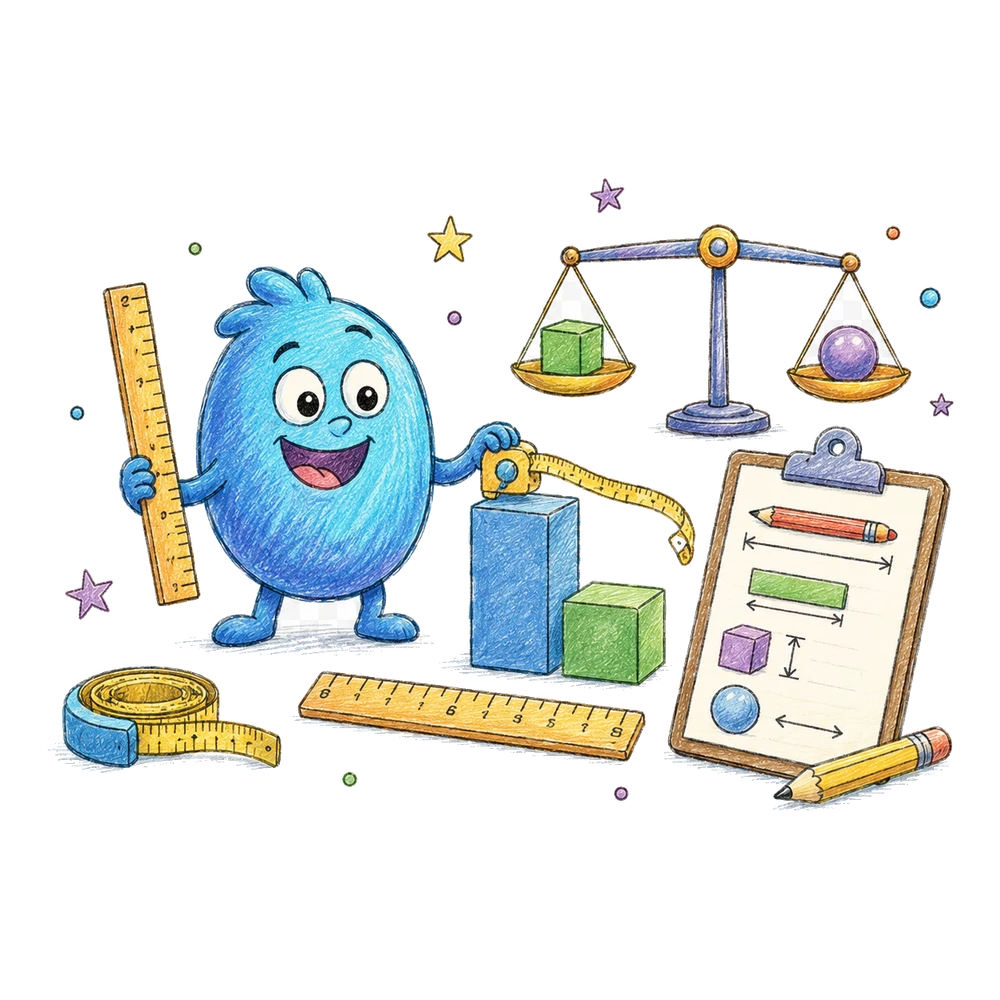
Connect two equal groups with a doubles addition fact. A tower of four beside another four represents double four.
9 min readMeasure by repeating the same unit without gaps. A pencil can be described as six paper clips long.
9 min read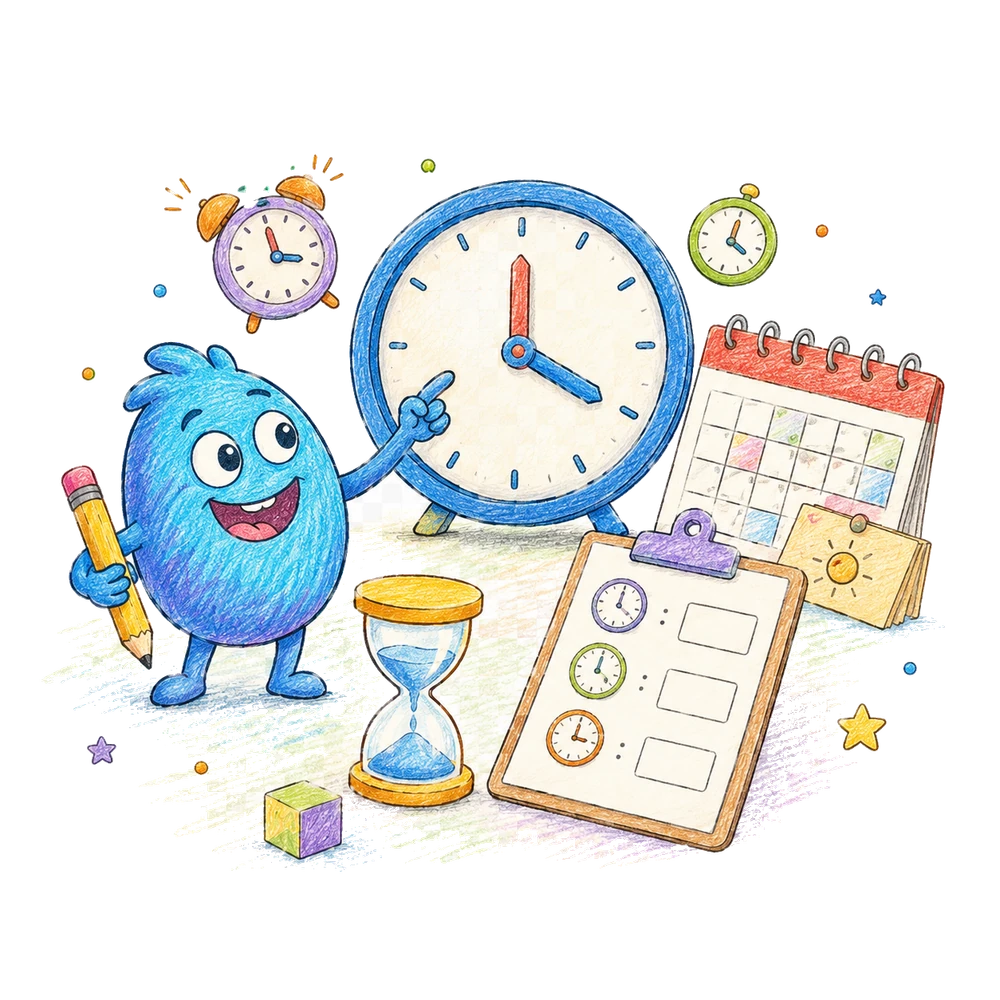
Connect the hour hand’s position with an exact hour. At 3:00 the short hand points to 3 and the long hand to 12.
9 min read
Represent one response with one picture marker. Each family vote for apples or bananas adds one square.
9 min read