





Science & discovery
1st gradeShadows That Move during the Day
Notice a shadow’s changing position from a fixed object. The same post’s shadow can occupy a different place later.
9 min read brainhuntersacademy
Grade 1. Page 3. Practical activities for children ages 6–7: letters, counting, shapes, colors, science, and social learning, with examples and tips for parents.

Notice a shadow’s changing position from a fixed object. The same post’s shadow can occupy a different place later.
9 min read
Compare a prediction with an observed result in water. A prediction about a wooden block should be checked by a gentle test.
9 min read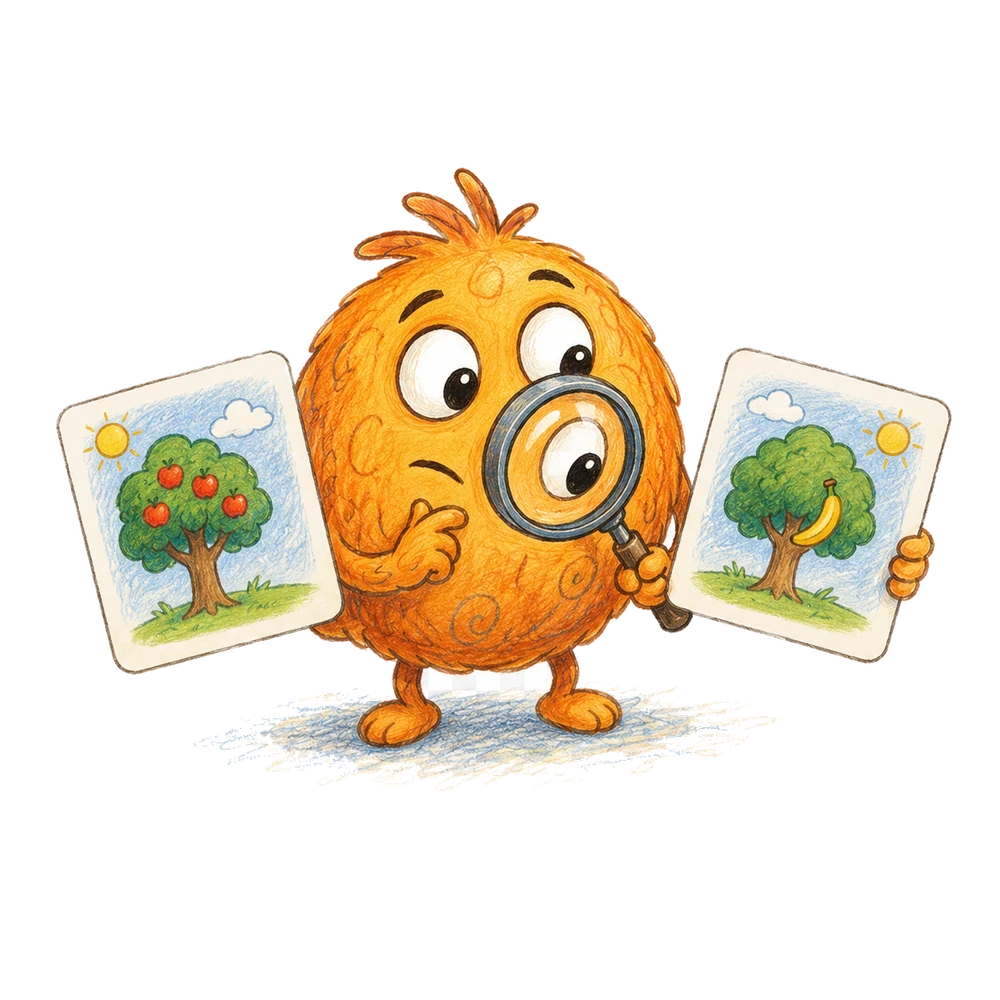
Describe a visible change from solid ice to liquid water. The cube becomes smaller while water gathers around it.
9 min readClassify objects by an observed magnetic response. A paper object and a steel object may respond differently.
9 min readObserve how one setup change affects a rolling object. Raising one end changes the ramp while the car stays the same.
9 min readObserve material changes during a short supervised test. Paper can become softer after remaining in water.
9 min read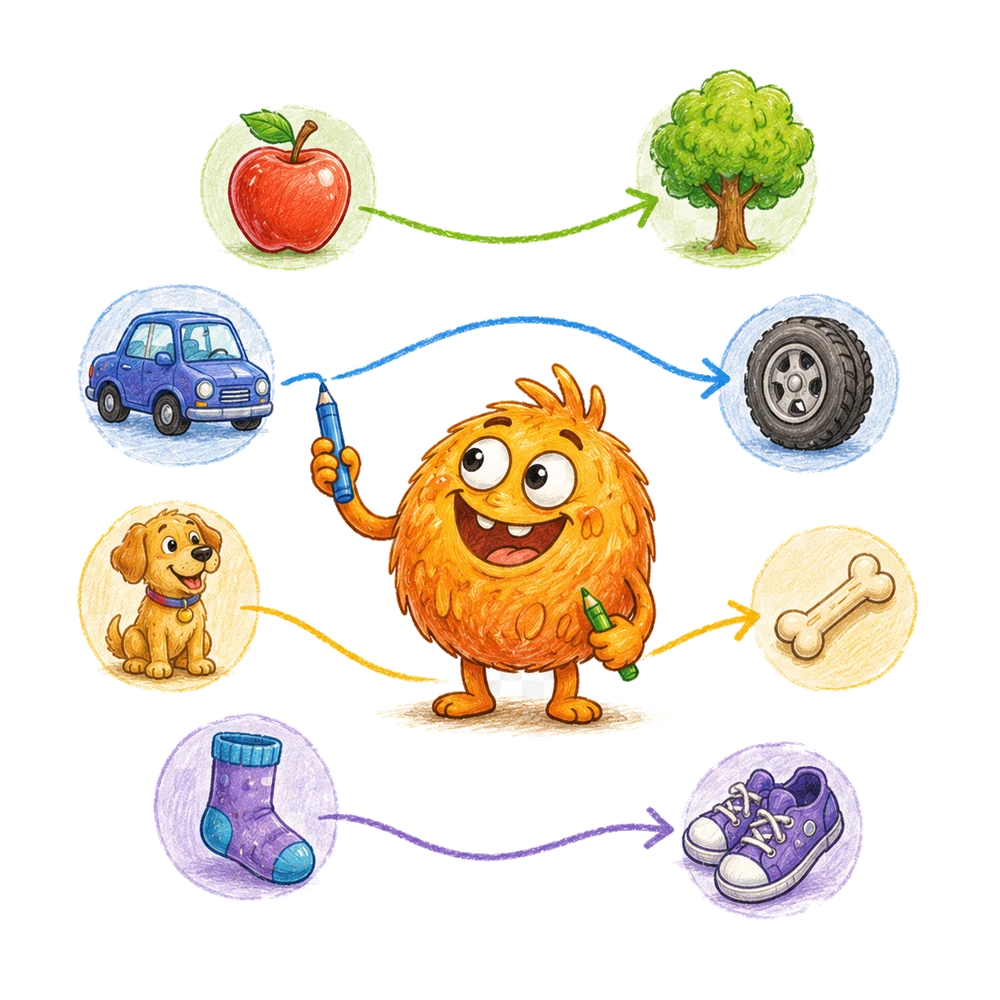
Connect an animal’s needs with a suitable environment. A fish needs an aquatic environment rather than a dry bookshelf.
9 min readRecord visible details while leaving a small animal in its environment. An observed insect may have six visible legs when the view is clear.
10 min readCompare observations made in the same location across time. The same tree may show different leaves in different months.
9 min readInspect materials for useful physical properties. A tube and a flat cardboard piece offer different building possibilities.
9 min readSeparate a visible fact from an interpretation. I see an umbrella differs from I think it will rain.
9 min readOrganize observations so another person can understand a collection. A label can describe a shell’s ridges without naming its species.
9 min read
Accept a boundary while choosing another reasonable action. No thanks can be followed by choosing a different game.
9 min read
Connect an apology with a practical repair. Knocking down a tower can be followed by helping rebuild it.
9 min read
Distinguish shared supplies from a personal item. Crayons may be shared while each child controls their own picture.
9 min read
Compare decision methods without promising everyone their first choice. Taking turns choosing can be one agreed method.
9 min read
Describe personal signs that a task may need a pause. Tired hands or a restless body can be reasons to pause.
9 min readNotice a specific action or contribution in another person’s work. You added a door tells more than a general evaluation.
9 min readCoordinate a shared project while keeping both people involved. One person chooses pieces while another places them, then roles switch.
9 min readAsk whether assistance is wanted before acting. Would you like me to hold this leaves the decision with the other person.
9 min readAdjust a familiar game so someone new can understand it. A new player may need the rule explained before joining.
9 min readSeparate a game result from a player’s value. One round’s result does not describe who is a better person.
9 min read
Offer participation methods that do not require speaking first or loudly. Pointing to a card can communicate a preference.
9 min readPractice asking, caring for an item, and returning it. Borrowing a book includes knowing where it should go afterward.
9 min read