




Materials & format comparisons
1st gradeOpen-Ended Blocks vs Step-by-Step Building Kits
Compare invention with following a specified model. Free building invites an original plan while a model asks for a particular arrangement.
9 min read brainhuntersacademy
Grade 1. Page 5. Practical activities for children ages 6–7: letters, counting, shapes, colors, science, and social learning, with examples and tips for parents.

Compare invention with following a specified model. Free building invites an original plan while a model asks for a particular arrangement.
9 min read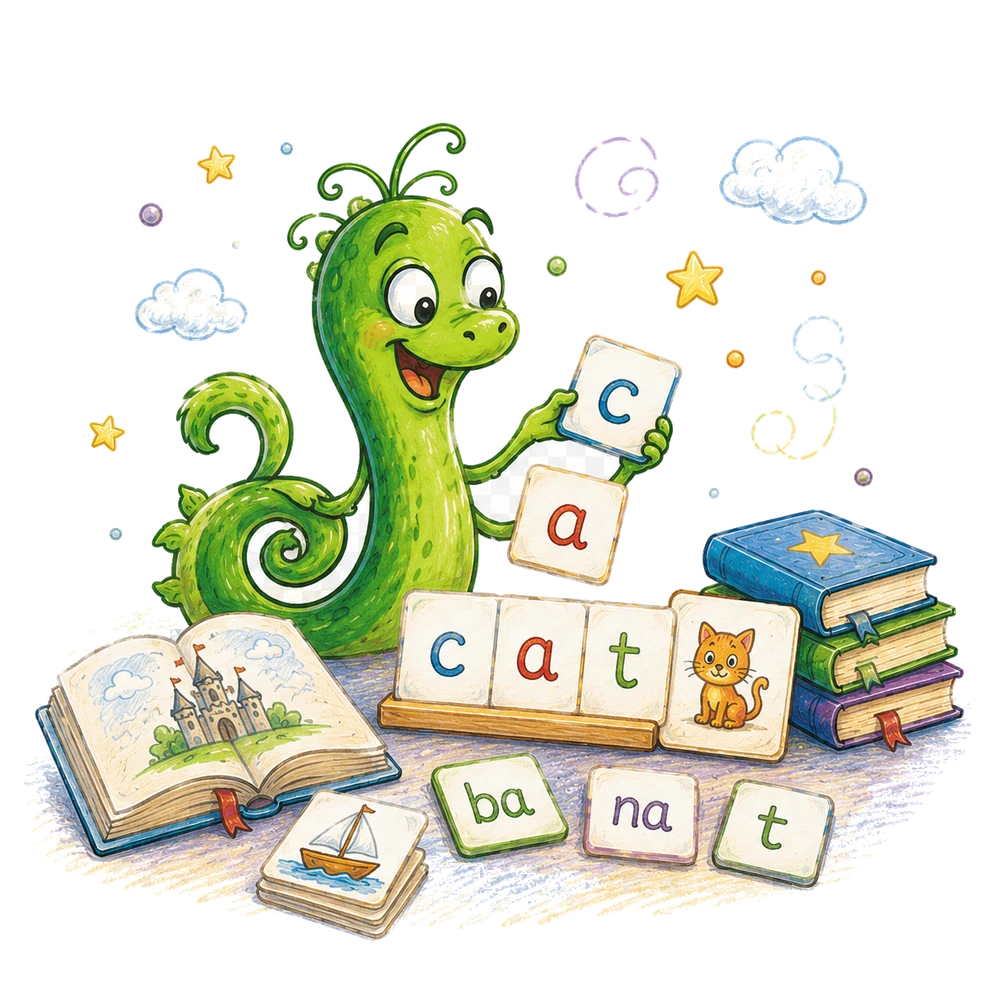
Separate vocabulary recognition from reading demands. A child may sort animal pictures before independently reading their names.
9 min read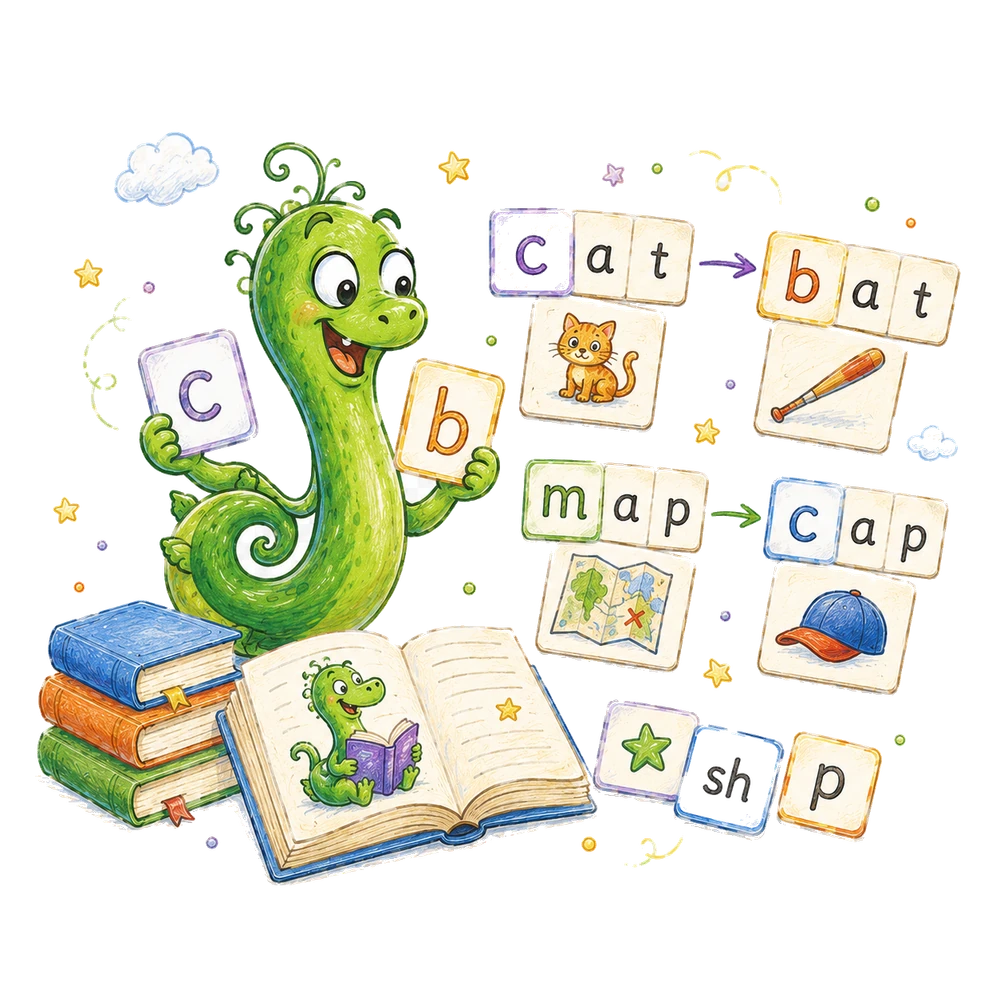
Compare isolated recognition with reading in a meaningful context. Can on a card and can in I can hop use the same printed word.
9 min read
Choose formats by purpose rather than by the number of tools used. The same counting idea can appear on screen and at the table.
10 min read
Compare routines by fit, attention, and available support. A busy family may manage brief invitations more easily than long sessions.
9 min readCompare representations of the same time. 3:00 can be represented by hands or by numerals.
9 min read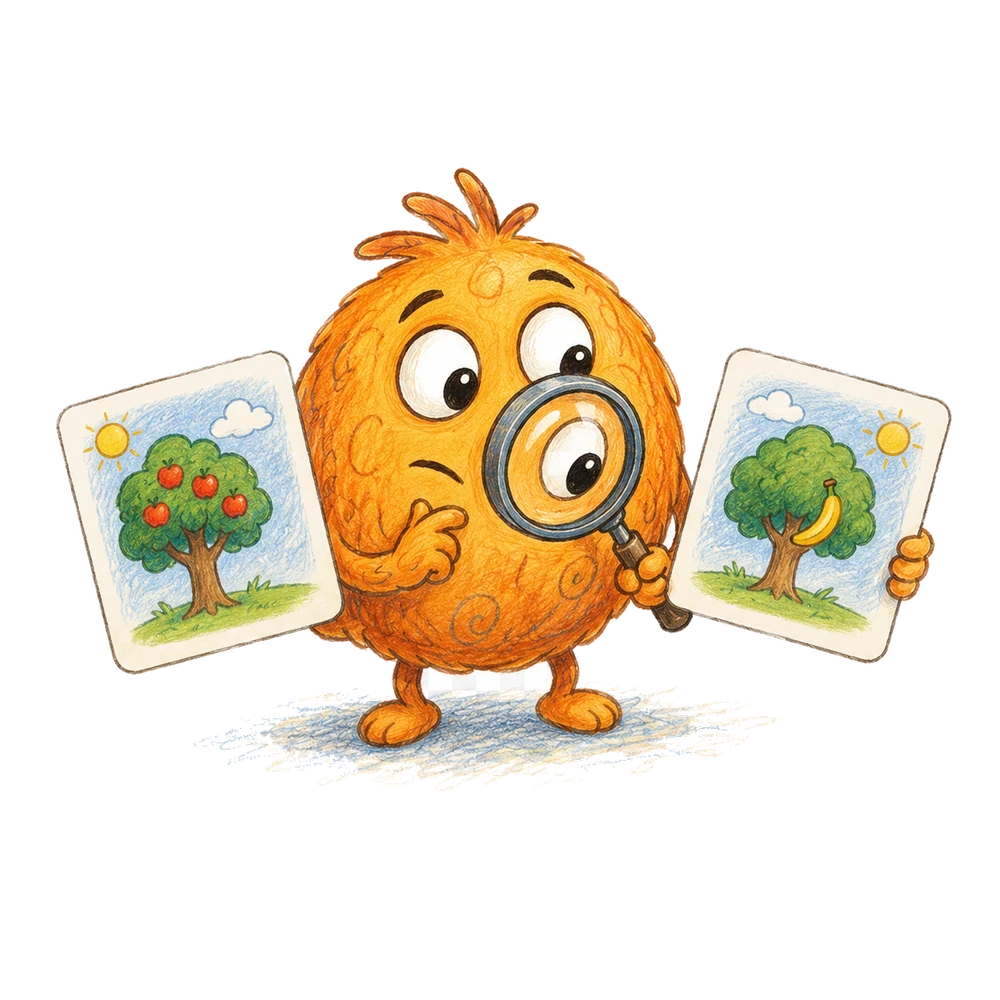
Choose an observation format with suitable detail and access. A photograph stays still while a living scene may change.
9 min readChoose between focused practice and a task that combines demands. Matching shape alone differs from finding a red triangle.
9 min read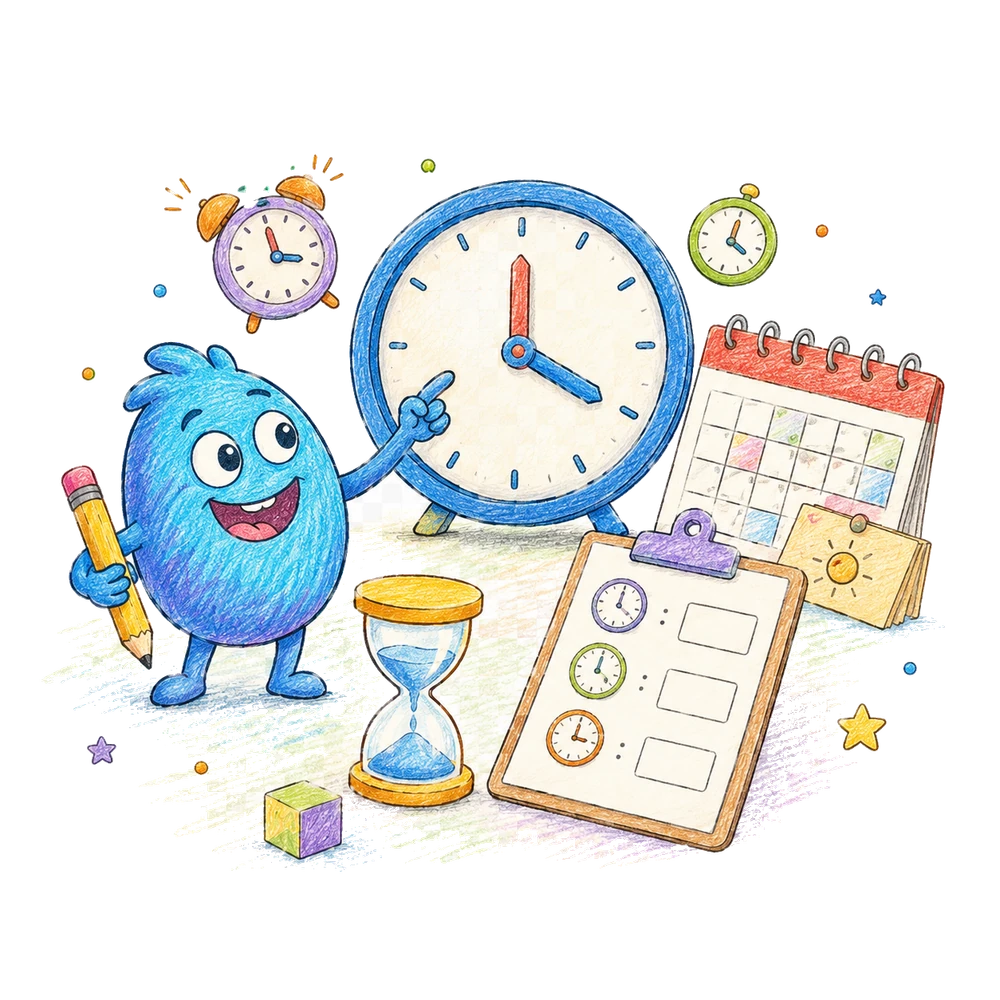
Compare portable math activities by noise, pieces, and interruption tolerance. A drawn number sequence can stop immediately when a name is called.
9 min readChoose spoken word games that do not require driver participation. Naming a word by its first sound needs no loose materials.
9 min read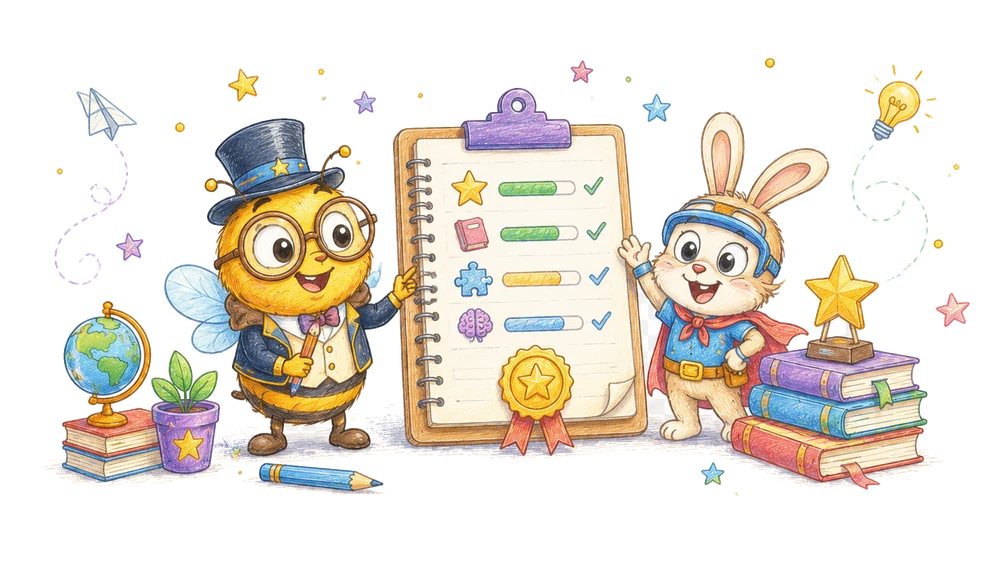
Compare shared-goal activities by coordination demands. Jointly sorting cards requires less role negotiation than a shared building plan.
9 min read
Choose an observation task based on the preparation actually available. Weather observation requires less material setup than a sink-or-float test.
9 min readConnect drawing with literacy through progressively more print. Drawing a named object demands less independent print than labeling a scene.
9 min read
Choose a geometry task according to the reasoning it asks for. Matching an identical triangle differs from describing an unseen triangle.
9 min read
Compare activities by space, supervision, and preparation needs. Shared reading needs less floor space than a building project.
9 min readPrioritize activities that use materials already in reach. Describing an object can begin before any cards are made.
9 min read
Choose a storytelling demand that fits current language comfort. Listening to a story requires a different contribution from inventing one.
9 min readChoose a repeating pattern by the complexity of its unit. AB repeats two positions while AAB requires tracking three.
9 min readCompare pointing, moving a token, and whole-body number-line actions. Moving a token may make each counted step easier to inspect.
9 min readChoose activities that respect library rules and other visitors. Finding one letter in a title is less involved than comparing several books.
9 min read
Progress from a single visible rule to a conjunction of properties. Sorting by shape alone differs from choosing only red circles.
9 min readOffer participation options from pointing to extended explanation. Pointing to a detail can communicate careful observation.
9 min readChoose shared materials that support different levels of challenge. One child can count a group while another writes an addition story about it.
9 min readRank possible next steps by comfort and clarity rather than more difficulty. A pause may be the most suitable next step after frustration.
10 min read