



Science & discovery
KindergartenObserving a Seed before It Grows
Observe a dry seed’s shape and surface, make a labeled drawing, and separate present observations from predictions about growth.
17 min read brainhuntersacademy
Science & discovery. Practical activities for children ages 3–8: letters, counting, shapes, colors, science, and social learning, with examples and tips for parents.

Observe a dry seed’s shape and surface, make a labeled drawing, and separate present observations from predictions about growth.
17 min read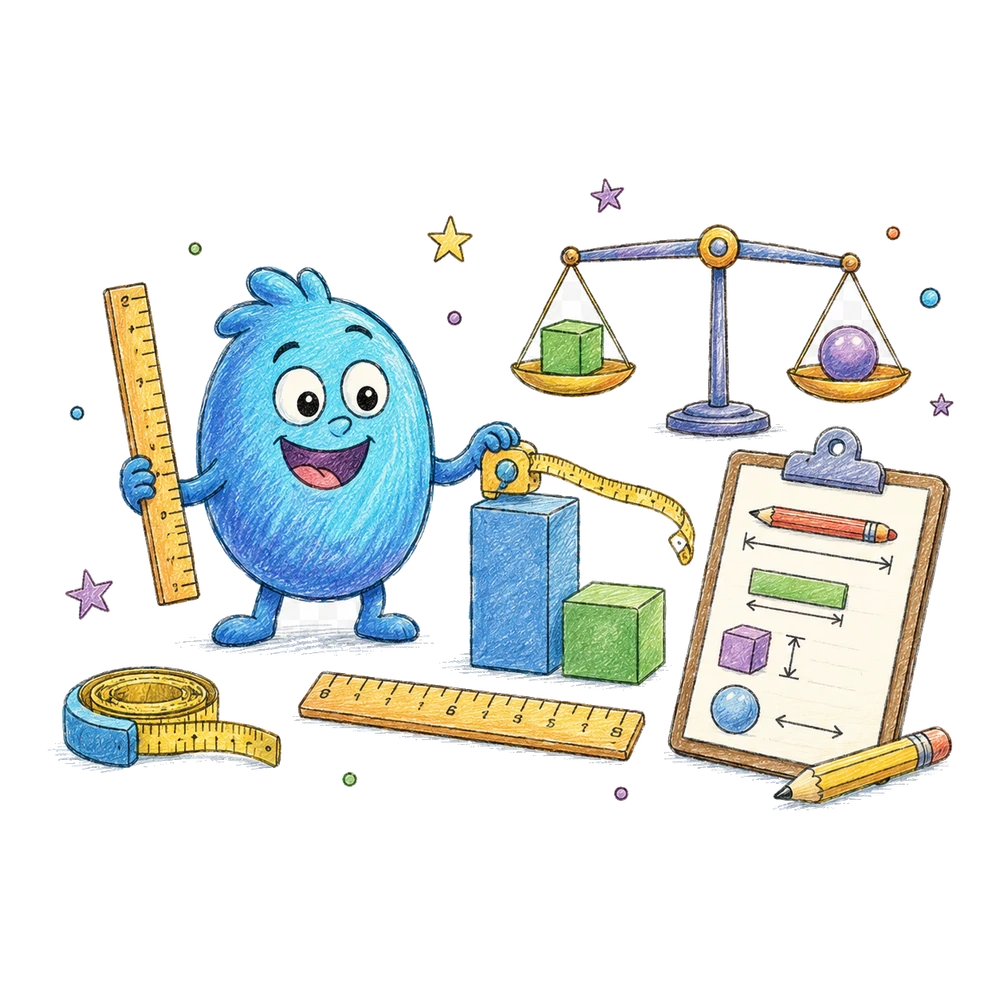
Create dated plant observation entries with drawings, leaf counts, simple measurements, and questions that can be checked later.
17 min readBuild a plant-care conversation around observation, plant-specific guidance, adult decisions, and a simple record of what happened.
17 min read
Compare visible leaf outlines on a supervised walk or in photographs, using clear features, examples, and accessible responses.
17 min readSort clearly described examples while distinguishing an object from its materials and making room for uncertain histories.
17 min readObserve clouds, rain, moving branches, and temperature at a specific time while keeping present observations separate from forecasts.
17 min readCreate a dated page about a visible cloud, with a drawing, a specific description, and questions kept separate from forecasts.
17 min readTrack a fixed object’s shadow at different times, compare marked positions and lengths, and record uncertain or missing observations.
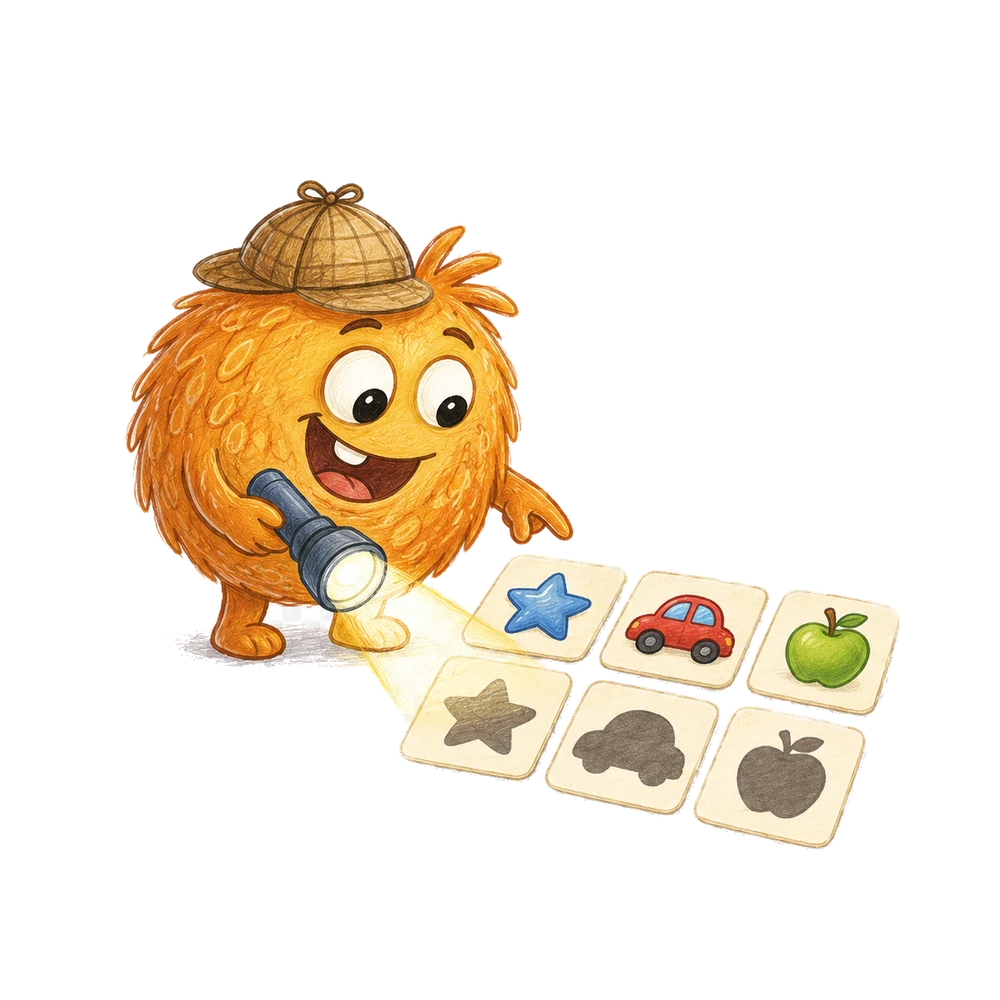
17 min readMake and compare shadows from large shape cutouts while changing one part of a safe flashlight setup at a time.
17 min readPredict, test, and record how suitable objects behave in water, including outcomes that do not fit a simple sink-or-float label.
17 min readCompare small water drops on two suitable materials with clear timing, accessible observations, and careful limits on conclusions.
17 min read
Observe and record a piece of ice over time, comparing visible changes without a race or an assumed melting result.
17 min readTest whether an adult-controlled magnet visibly attracts suitable objects, with clear safety rules and room for uncertain results.
17 min readObserve a gently plucked rubber band and discuss vibration with adult control, safe materials, and accessible alternatives.
17 min readNotice and describe everyday sounds on a safe route or indoors, separating what was heard from a guess about its source.
17 min readRoll a suitable toy car down a stable low ramp, compare stopping places, and record predictions and setup changes.
17 min readCompare how one suitable object slides on two surfaces, using clear starting and stopping references and careful conclusions.
17 min readCompare a flat and accordion-folded paper bridge across a consistent gap, with a suitable load and clear observations.
17 min readObserve a paper boat on water over time, distinguishing a wet edge, a change in shape, and floating or sinking.
17 min read
Compare visible fur, feathers, and scales in reliable animal pictures, including body regions and examples with more than one covering.
17 min readMatch named animals with plausible described habitats using source information, visible features, and an option for uncertainty.
17 min readObserve a visible small animal from a safe distance or use labeled pictures, recording features without touching or disturbing wildlife.
17 min readUse a safe ball-and-light model to discuss Earth’s rotation and connect daylight with varied family routines.
18 min readCompare dated observations of one familiar place while accounting for local seasonal patterns, changing views, and uncertainty.
17 min read