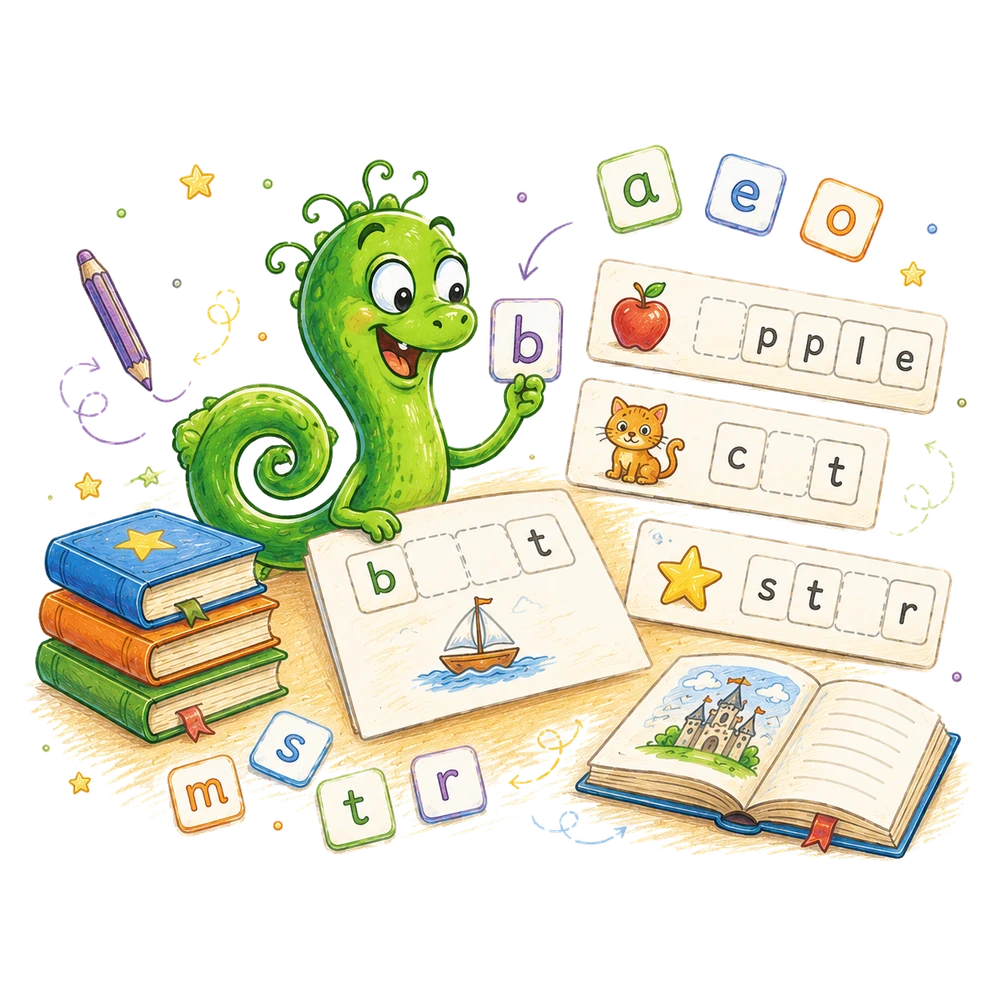
Paper Letter Cards vs Magnetic Letters for Home Practice
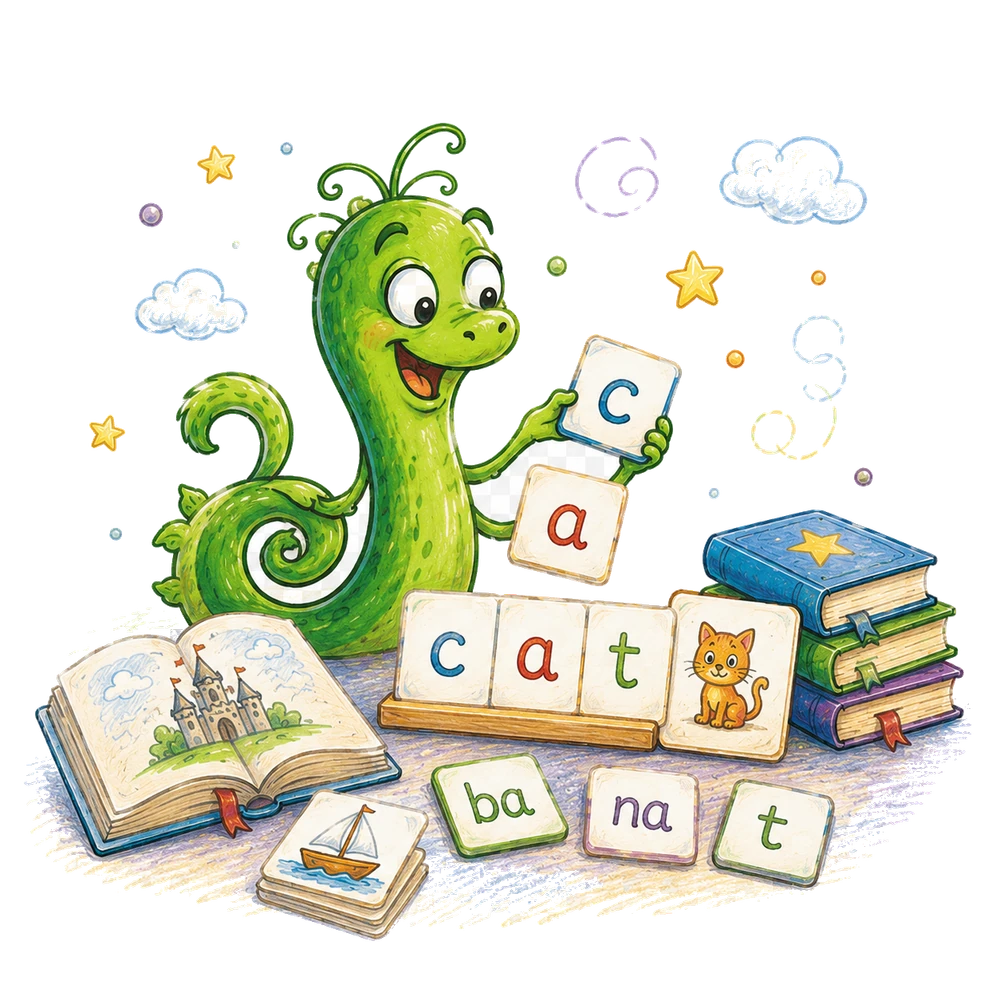
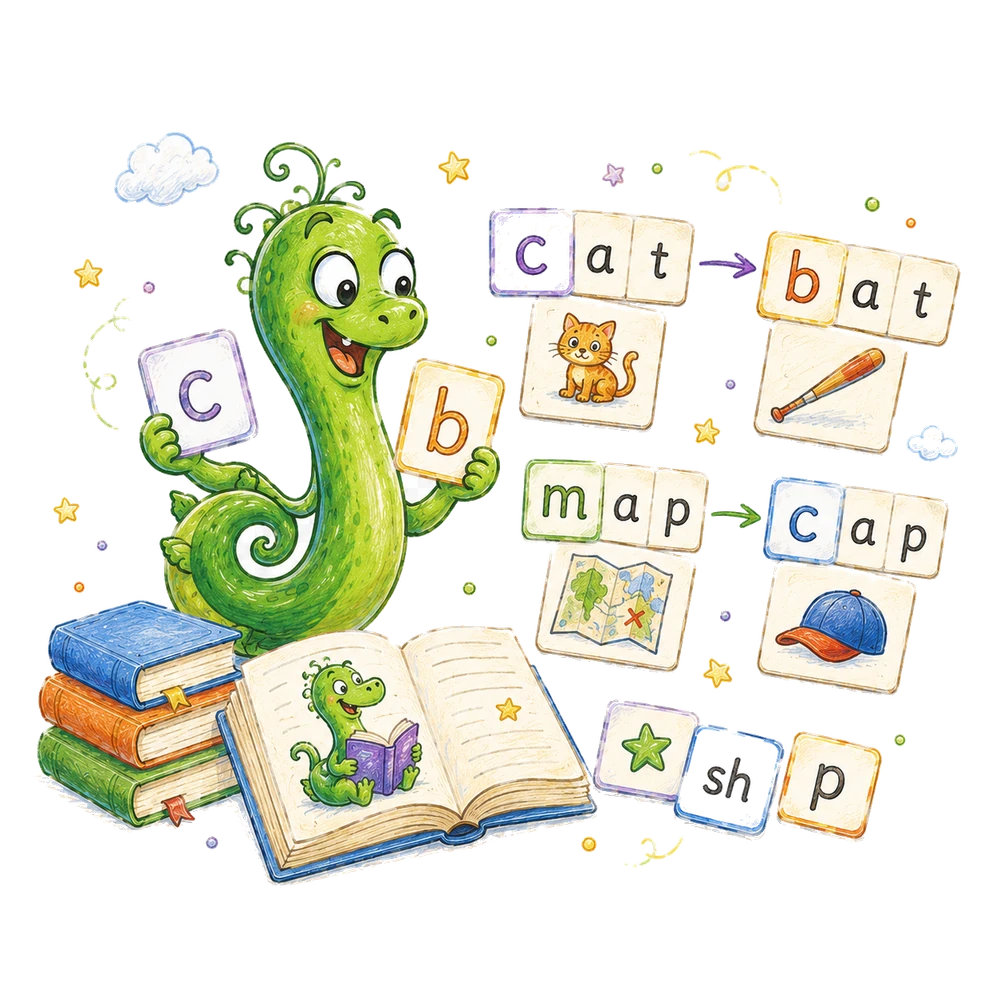
Compare paper letter cards and magnetic letters by preparation, visibility, handling, storage, safety, and the tasks each format can support.
17 min readMaterials & format comparisons. Practical activities for children ages 3–8: letters, counting, shapes, colors, science, and social learning, with examples and tips for parents.
Compare paper letter cards and magnetic letters by preparation, visibility, handling, storage, safety, and the tasks each format can support.
17 min read
Compare how picture books and alphabet books can support a search for a printed letter, with clear examples and accessible options.
16 min read
Compare loose counters and ten-frames for counting, grouping, and seeing how numbers relate to five and ten, with practical examples.
17 min read
Compare three-dimensional blocks and flat paper shapes with bridge-building activities, accessible adaptations, and examples of spatial language.
17 min read
Compare crayon and marker marks against a color sample, with practical advice on visibility, handling, accessibility and recording a child’s choice.
17 min read
Compare a small paint-mixing trial with choosing colors on a screen, including handling, revision, visibility and practical limits.
17 min read
Compare a marked worksheet and rearrangeable cards using a concrete triangle activity, accessible responses, and practical choices about keeping work.
17 min read
Compare replay, flexibility, accessibility, and preparation when choosing recorded audio or an adult reader for a learning activity.
17 min read
Compare physical cards and touchscreen choices with a concrete shape-matching activity, accessible inputs, and clear rules.
16 min read
Compare independent and shared shape matching, including preparation, the child’s choices, feedback and access support.
17 min read
Compare individual and shared goals using two matching-card games, with clear rules, accessibility options, and ways to respond to disagreement.
16 min read
Compare a child-designed block bridge with building from a kit’s instructions, including preparation, revision, access and support.
16 min read
Compare revision, visibility, comfort, and keeping work when choosing a dry-erase board or paper for early writing activities.
17 min read
Compare two actual puzzles by piece size, count, image, handling and support, with a concrete matching example.
16 min read
Compare picture cards and written word cards for sorting, with clear category rules, examples, and options for reading support.
18 min read
Compare isolated word cards and sentences using two meanings of “can,” with practical examples and clear distinctions between reading support and independent reading.
17 min read
Compare an ordered sequence of number words with counting a specific group, and explore how rhythm and object selection can work together.
16 min read
Compare paper color samples with an everyday-object color hunt, including setup, visibility, access, realistic matches, and a complete blue-color example.
17 min read
Compare one app with an app plus paper objects and a book using the same counting question, realistic setup choices, and clear limits on the evidence.
17 min read
Compare two realistic schedules, preparation, interruptions, child choice, and a worked counting activity without assuming that one duration suits every family.
16 min read
Compare recorded activity with a child’s account using a worked report example, practical questions, privacy choices, and limits of each source.
16 min read
Compare tracing and movable letter parts using specific M and T examples, with accessible options and ways to notice what a child understands.
18 min read
Compare picture-only storytelling and books with printed text through a concrete scene, access needs, and shared-reading questions.
17 min read
Compare real U.S. nickels and dimes with enlarged labeled pictures for size, value, access, and safe handling.
18 min read