


Age & stage guides
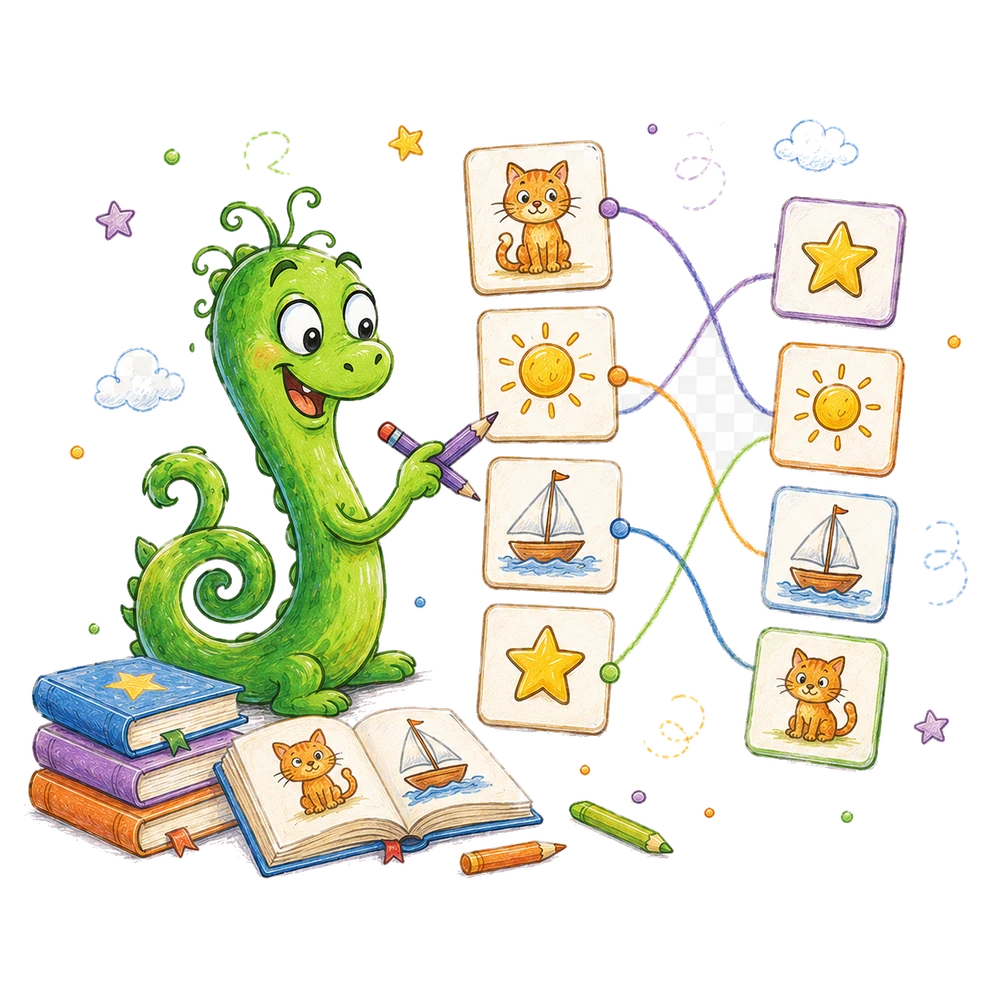
PreschoolLetter Play for a Three-Year-Old Who Likes Pictures
Use a familiar picture and one large letter to invite a three-year-old to notice print, point, talk, or draw.
17 min read brainhuntersacademy
Age & stage guides. Practical activities for children ages 3–8: letters, counting, shapes, colors, science, and social learning, with examples and tips for parents.

Use a familiar picture and one large letter to invite a three-year-old to notice print, point, talk, or draw.
17 min read
Invite a three-year-old to count a few visible objects with practical examples, supportive responses, and simple adaptations.
17 min read
Explore a large circle and triangle on the floor or another accessible surface, with matching, movement, and simple adaptations.
18 min read
Offer a three-year-old two visible color choices for drawing, with examples that respect the child’s response and creative ideas.
18 min read
Share a picture book with a three-year-old using brief comments, visible questions, and responses that follow the child’s interest.
17 min read
Invite a three-year-old to sort a few safe objects by one visible feature, with clear examples and supportive responses.
18 min read
Use a familiar name and one matching letter card for a clear, child-led print search, with adaptations for spelling and language.
18 min read
Try accessible counting games that connect one number word to each tap, step, reach, or toy movement.
17 min read
Build and continue a repeating pattern with two safe materials, with clear examples, common confusions, and accessible responses.
17 min read
Use two toys and a short story to invite a four-year-old to show events in order, with clear cues and room for a new ending.
18 min read
Offer a four-year-old one clear direction using familiar toys, visible destinations, and accessible ways to respond.
18 min read
Invite a four-year-old to share ideas through drawing with practical prompts, example conversations, accessible choices, and ways to respond without guessing.
17 min read
Explore the English letter M and the initial /m/ sound with familiar pictures, clear contrasts, and language-aware examples.
17 min read
Show addition by joining two small groups, counting the whole set, and connecting the action to a written equation when useful.
18 min read
Help a five-year-old describe and compare shapes by tracing sides and corners, giving clues, rotating examples, and explaining choices.
17 min read
Explore repeating color patterns with a missing piece using clear rules, hands-on examples, accessible choices, and practical ways to explain a solution.
17 min read
Make turns clear in a learning game with one visible action, example conversations, ways to request help, and accessible options for two players.
17 min read
Help a five-year-old describe observations and ask checkable questions with a safe cloth-and-water activity and practical example conversations.
18 min readBuild short words with a small set of letter tiles and compare one sound and spelling change at a time, with examples and accessible supports.
18 min read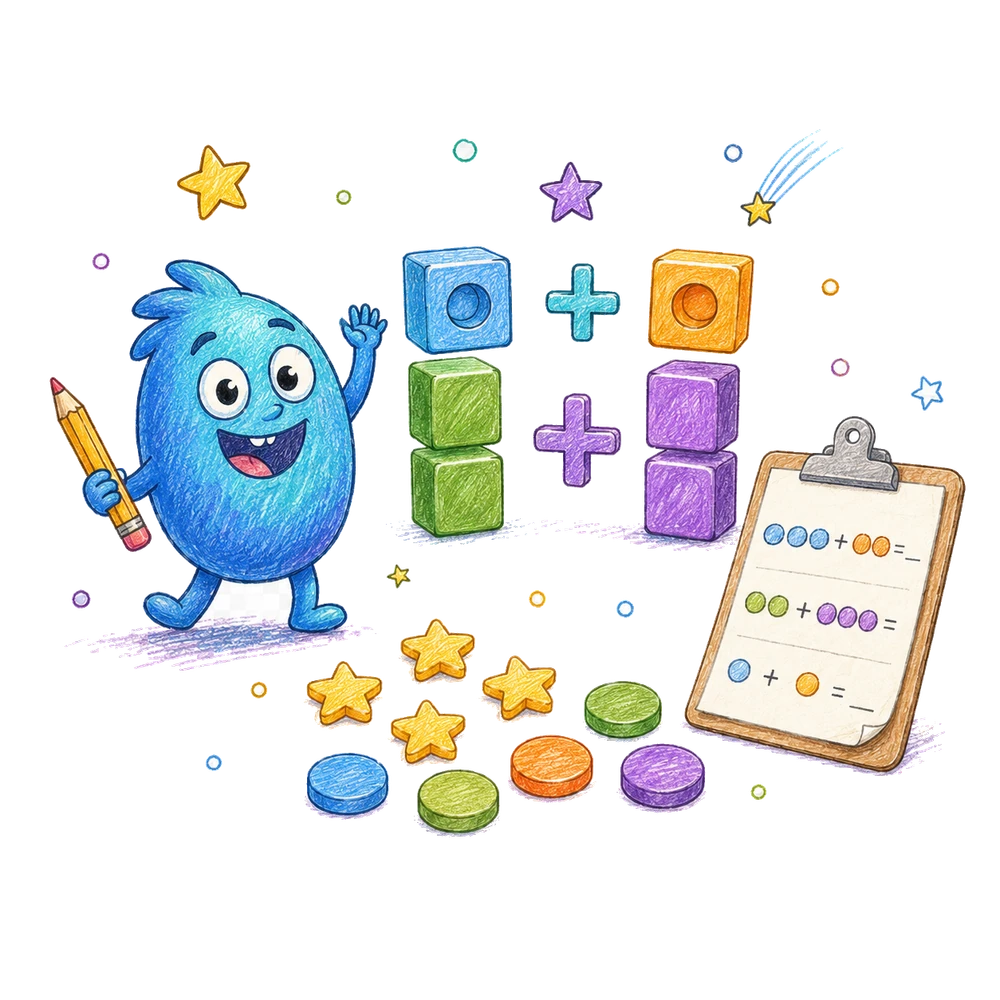
Use visible objects to tell subtraction stories, distinguish the starting group from the removed part, and check how many remain.
17 min read
Make place value visible with bundles of ten and single paper strips, including examples for teen numbers, twenty, and exchanging a ten.
18 min readMake a simple map of a familiar space, choose symbols, trace a safe route, and explain directions with a child.
18 min readDiscuss why a story character acts by identifying events, examining clues, considering plausible reasons, and checking event order.
18 min read
Explain 8 + 5 with counters and a number line, compare what each model represents, and check the total using visible steps.
18 min read