





Science & discovery
1st gradeSorting Reusable Materials for a Building Tray
Inspect materials for useful physical properties. A tube and a flat cardboard piece offer different building possibilities.
9 min read brainhuntersacademy
Page 7. Practical activities for children ages 3–8: letters, counting, shapes, colors, science, and social learning, with examples and tips for parents.

Inspect materials for useful physical properties. A tube and a flat cardboard piece offer different building possibilities.
9 min read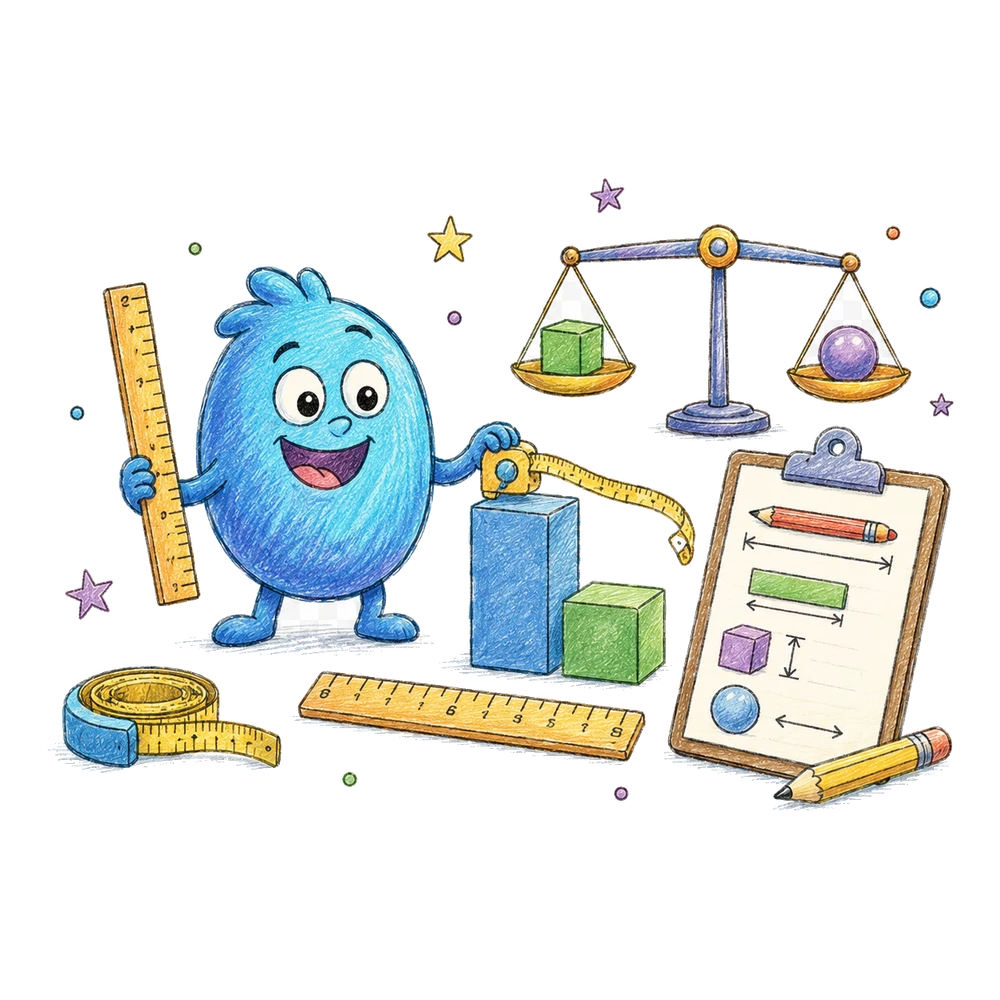
Turn a broad curiosity into a question that can be checked locally. Will this car roll farther from this higher starting point is a local test.
10 min read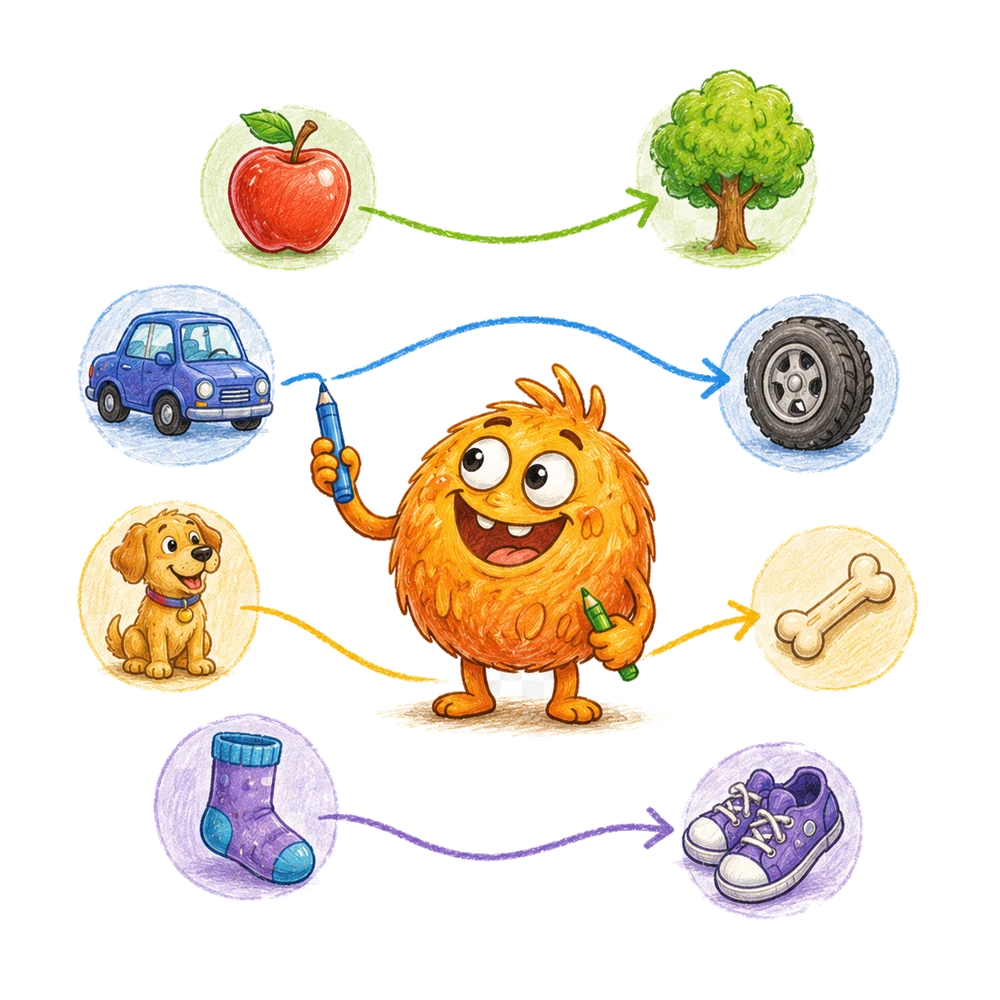
Separate a visible fact from an interpretation. I see an umbrella differs from I think it will rain.
9 min readCompare length using a consistent starting point and unit. Height measured from the soil line differs from the full pot height.
9 min readOrganize observations so another person can understand a collection. A label can describe a shell’s ridges without naming its species.
9 min readMake a fairer comparison by keeping most of a setup constant. Changing both the car and the ramp makes the cause unclear.
9 min read
Use emotion words while recognizing that a face does not reveal everything. A frown might suggest frustration, but the character’s situation matters.
9 min read
Practice a clear predictable exchange of a shared object. One person has a turn while the other knows whose turn comes next.
9 min read
Practice a respectful invitation to participate. Can I play too gives another person a clear request.
9 min read
Accept a boundary while choosing another reasonable action. No thanks can be followed by choosing a different game.
9 min read
Communicate what is difficult and what kind of help is wanted. I cannot turn this piece is more specific than a general cry for help.
10 min read
Show attention long enough to understand another person’s message. One child describes a bridge while the other checks what they heard.
9 min readConnect an apology with a practical repair. Knocking down a tower can be followed by helping rebuild it.
9 min readDistinguish shared supplies from a personal item. Crayons may be shared while each child controls their own picture.
9 min readCompare decision methods without promising everyone their first choice. Taking turns choosing can be one agreed method.
9 min readContribute a manageable action to a shared task. One child gathers blocks while another holds the basket.
9 min readChoose a familiar supportive action during a manageable upset. A child might choose sitting nearby before discussing a problem.
9 min readDescribe personal signs that a task may need a pause. Tired hands or a restless body can be reasons to pause.
9 min readTreat feedback as information for a next attempt. A mismatch can prompt another look at the example.
9 min readNotice a specific action or contribution in another person’s work. You added a door tells more than a general evaluation.
9 min readExpress a preference while accepting another person’s different choice. One person may choose a quiet story while another wants an adventure.
9 min readCoordinate a shared project while keeping both people involved. One person chooses pieces while another places them, then roles switch.
9 min readAsk whether assistance is wanted before acting. Would you like me to hold this leaves the decision with the other person.
9 min readConsider intention and impact as separate questions. A character can cause a problem without planning to do it.
9 min read