




Family learning routines
KindergartenLearning on a Rainy Day with One Basket of Objects
Create several related invitations from a limited indoor collection. The same blocks can support counting and shape comparison.
9 min read brainhuntersacademy
Page 9. Practical activities for children ages 3–8: letters, counting, shapes, colors, science, and social learning, with examples and tips for parents.

Create several related invitations from a limited indoor collection. The same blocks can support counting and shape comparison.
9 min read
Share a simple activity plan without requiring specialist knowledge. A note can explain a favorite prompt and an easy stopping point.
10 min read
Record a concrete observation that informs the next session. Counted five objects once without skipping is more specific than did well.
9 min readRespond to refusal by checking fit and offering a reasonable choice. A child may prefer drawing to matching cards today.
9 min read
Connect one digital idea with a concrete everyday example. A digital counting task can be followed by counting real spoons.
9 min readMatch a practice format to a child’s current readiness. A restless child may prefer a supervised shape hunt to desk work.
9 min read
Create a predictable shared reading endpoint. One short book can fit between pajamas and lights out.
9 min readOffer varied choices while keeping planning manageable. A menu might include a story, a counting game, and a nature observation.
10 min readGive a child room to act while remaining available for help. The child can raise a card when a direction is unclear.
9 min read
Use repeated audio as an ordinary support tool. Hearing the direction again can clarify a missed detail.
9 min readMake the handoff between adult settings and child play deliberate. The adult closes the parent area before passing the device.
9 min readPrepare meaningful practice that does not depend on a live connection. A paper number sequence can replace one interrupted online task.
9 min readInterpret each learner’s activity history in its own context. More completed tasks may reflect more time rather than greater ability.
9 min readRebuild a small predictable practice moment after disruption. A story after lunch may replace a former morning routine.
9 min readUse a real sorting purpose during an ordinary household task. Blocks and books already belong in different places.
9 min readPreserve a meaningful learning moment in the child’s own words. I found three triangles can accompany the child’s picture.
9 min readUse a familiar activity while introducing an optional small variation. One new picture can change a familiar game without replacing it.
9 min readNotice when a pause can support participation. A child can leave a long project briefly and return to one clear next step.
10 min read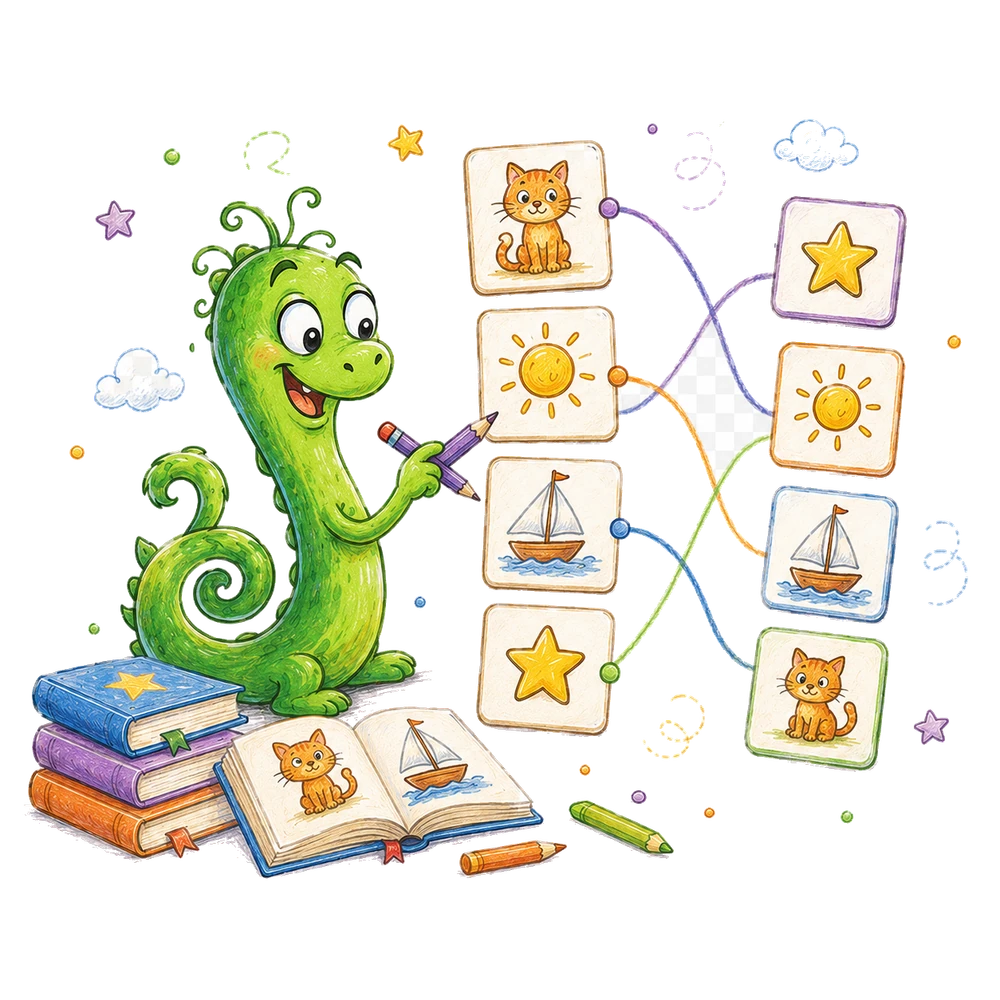
Introduce print through familiar images and voluntary exploration. A child can notice the M beside a familiar name without reciting the alphabet.
10 min read
Explore very small groups with concrete objects. One, two, three can describe three moved blocks.
9 min read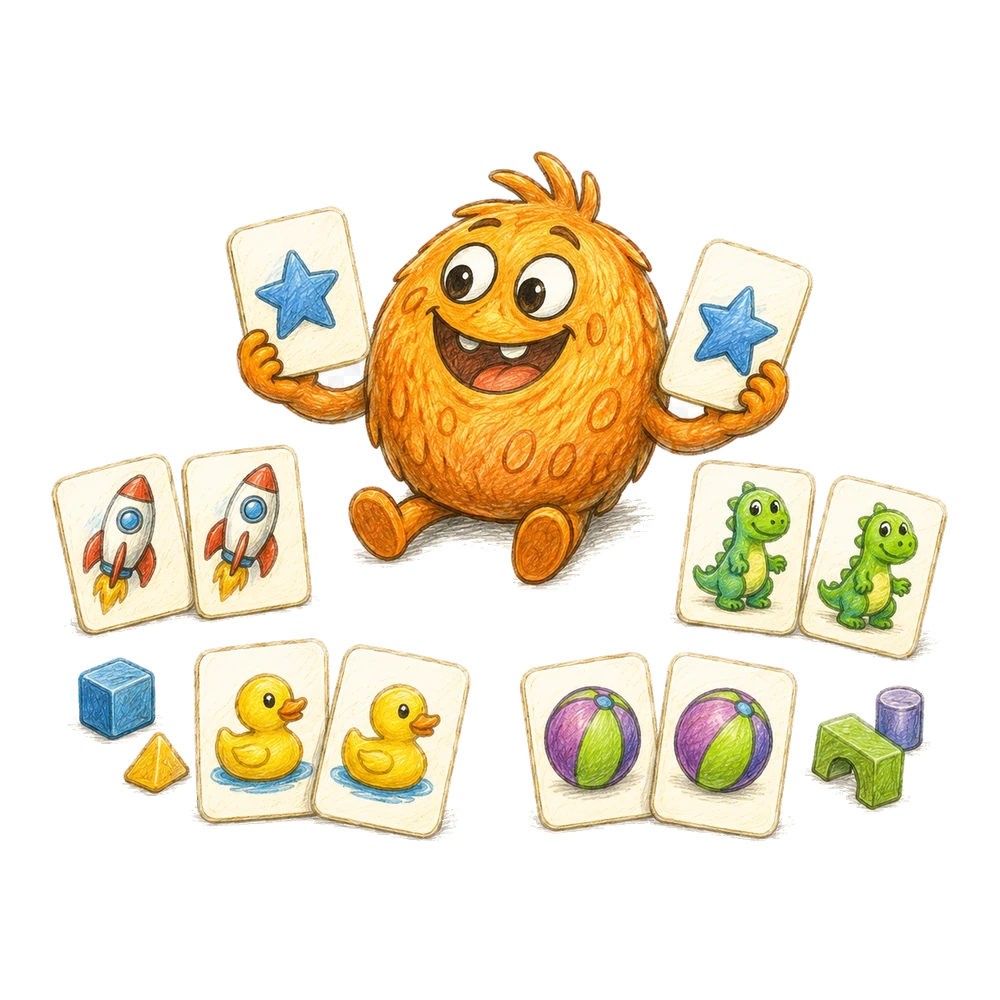
Notice simple outlines through handling and movement. A paper circle has a curved boundary that can be followed with a finger.
9 min read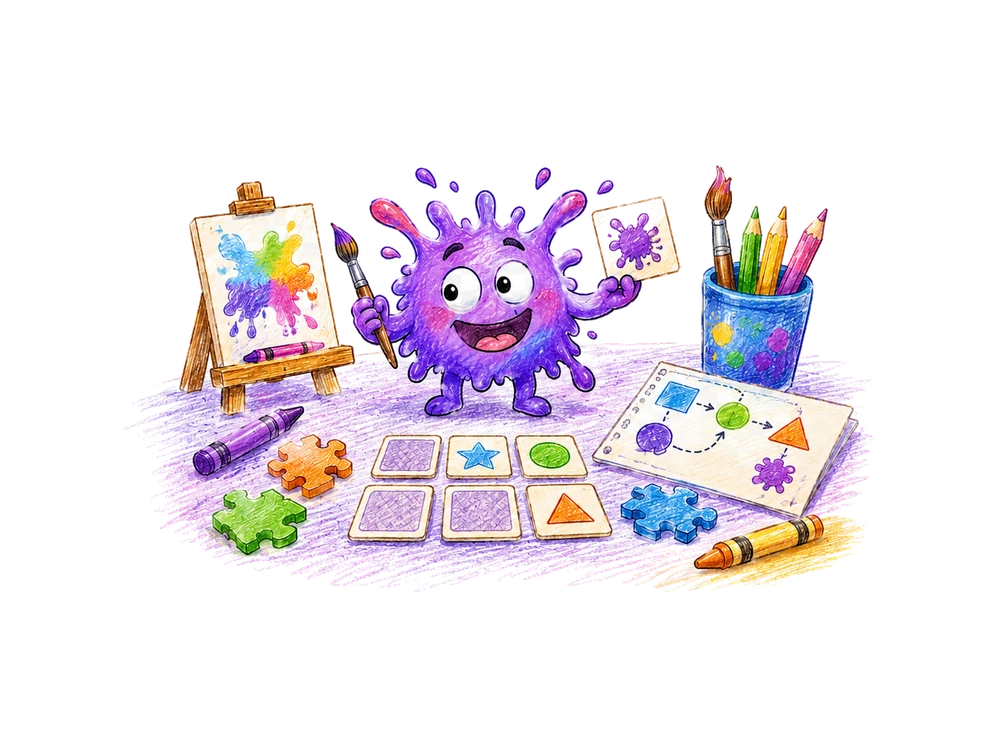
Compare two distinct color examples in a low-demand activity. A blue object can be placed on the blue card.
9 min read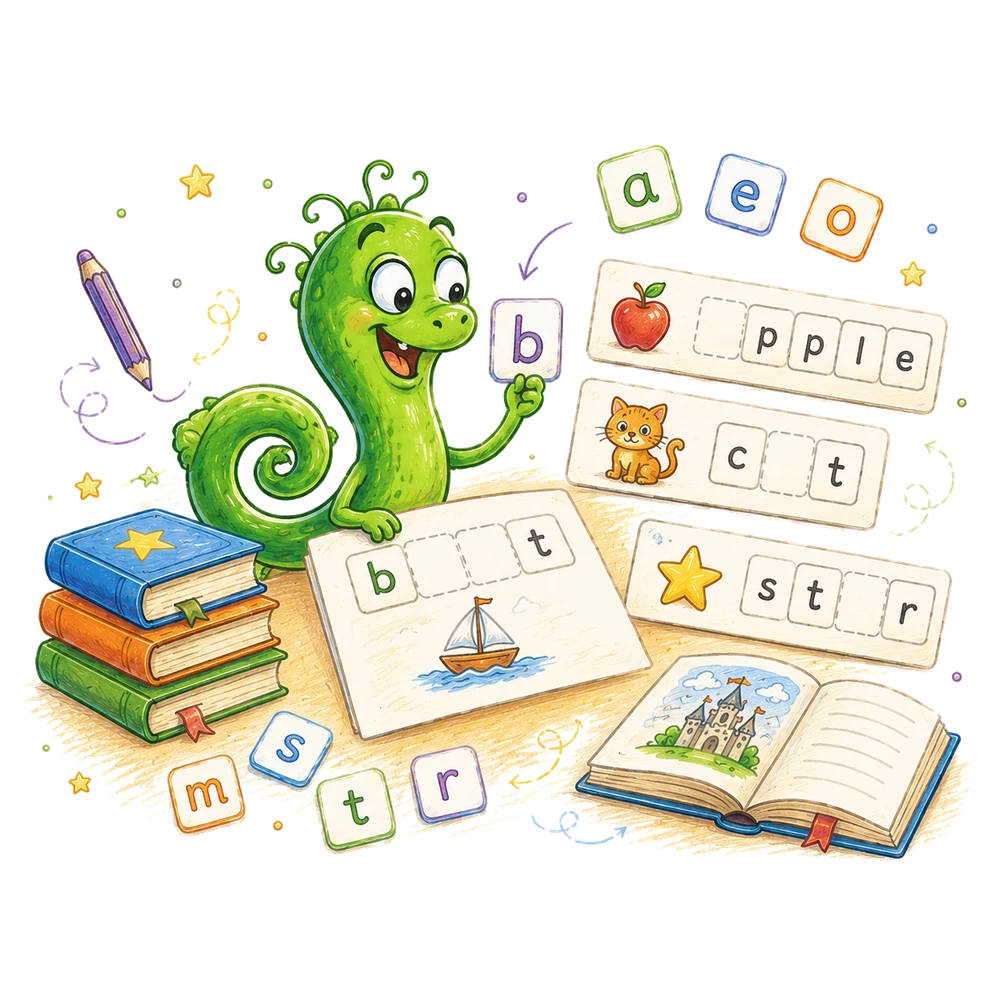
Share attention around a familiar picture and simple spoken idea. A child can point to a pictured dog when it is named.
9 min read
Place familiar objects together using one visible property. Round blocks can go together while square blocks form another group.
9 min read