




Materials & format comparisons
KindergartenPaper Letter Cards vs Magnetic Letters for Home Practice
Compare two letter formats using the same learning goal. Both formats can build map, but handling and storage differ.
9 min read brainhuntersacademy
Page 11. Practical activities for children ages 3–8: letters, counting, shapes, colors, science, and social learning, with examples and tips for parents.

Compare two letter formats using the same learning goal. Both formats can build map, but handling and storage differ.
9 min read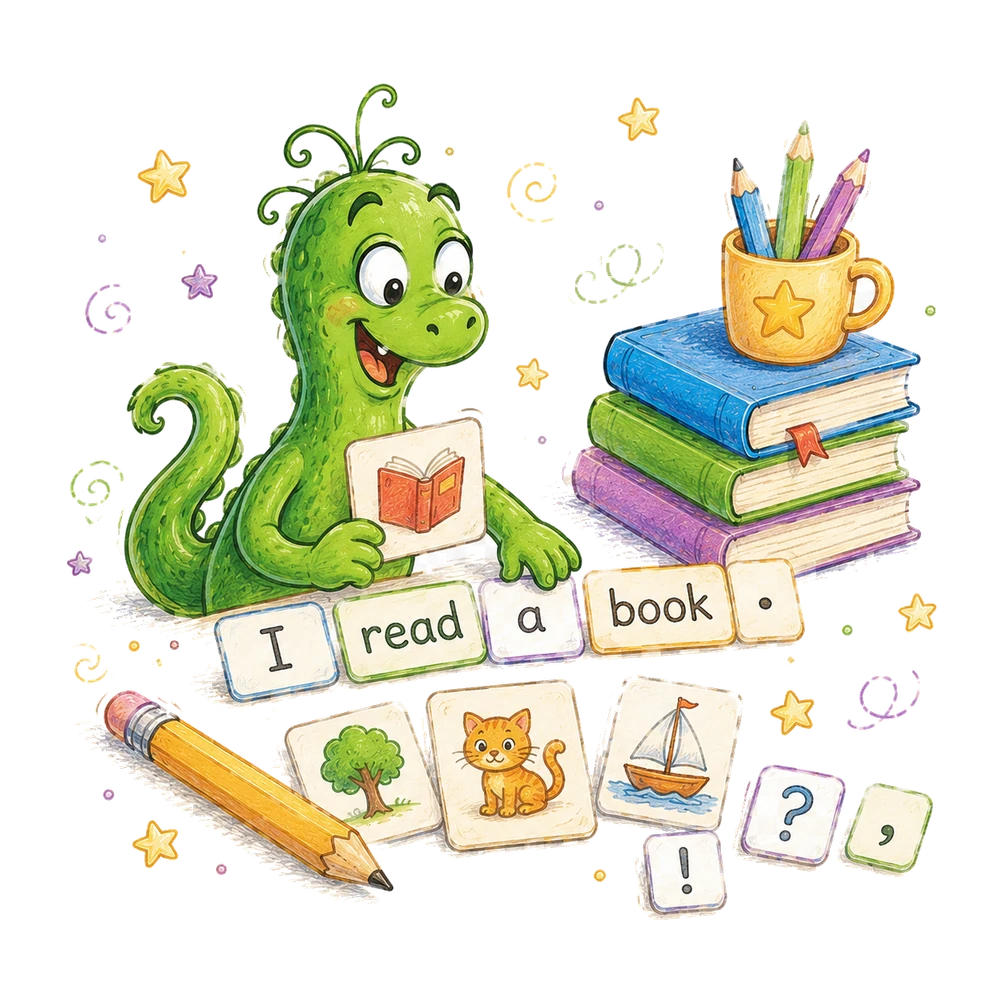
Choose a book format according to the purpose of the activity. An alphabet book isolates letters while a storybook provides a narrative context.
9 min read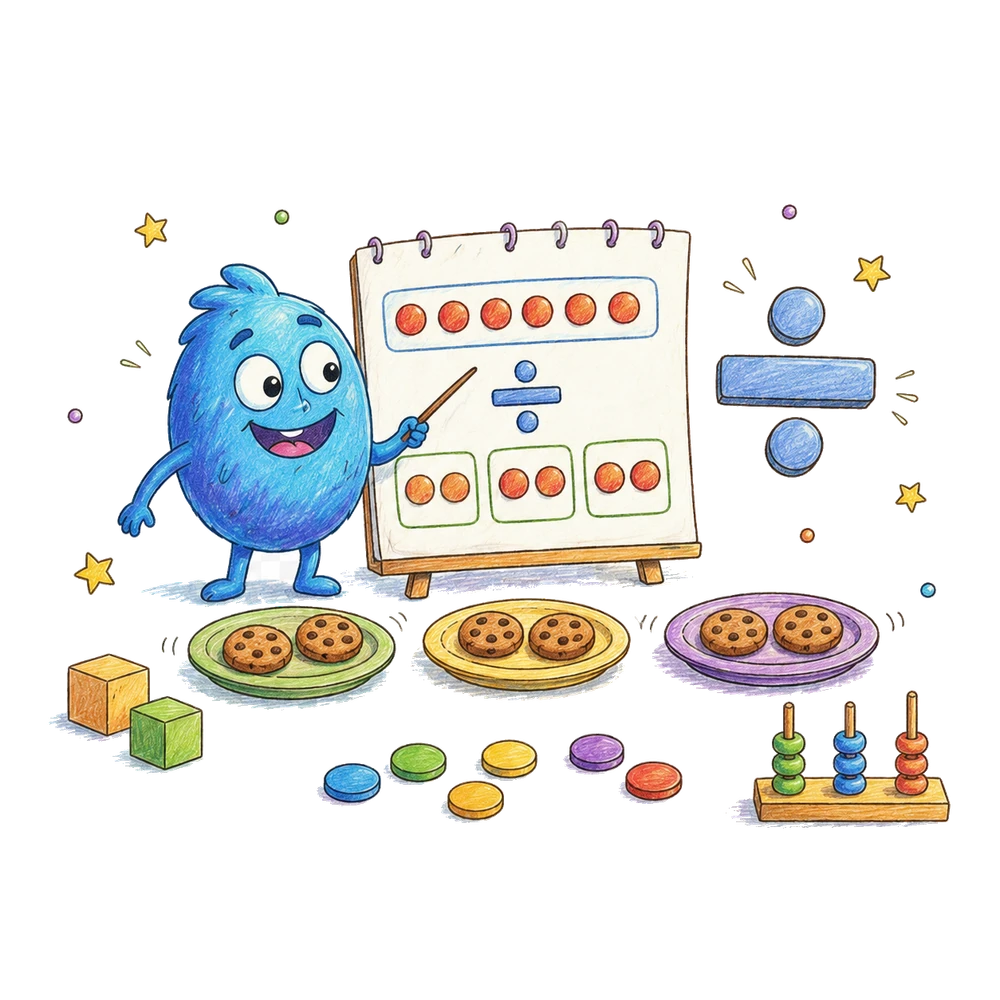
Compare an unstructured set with a fixed quantity arrangement. Seven loose counters and seven filled frame spaces show the same quantity.
9 min read
Choose between solid construction and flat composition for a specific task. A block tower occupies space while a paper house stays on the page.
9 min read
Compare the visible marks and handling demands of two drawing tools. Wrapper color may differ from the mark made on the page.
9 min read
Distinguish physical mixing from choosing colors on a display. Mixing paint changes materials while selecting a screen swatch changes a displayed choice.
9 min read
Compare formats by repetition, writing needs, and flexibility. Cards can be rearranged while a worksheet preserves a written record.
9 min read
Choose a direction format that supports understanding and independence. Replayable audio and an adult’s explanation offer different kinds of support.
9 min read
Compare interaction demands while keeping the matching rule the same. Tapping an answer differs from lifting and placing a card.
9 min read
Choose a participation format based on the task’s familiarity. A new direction may benefit from shared exploration.
9 min read
Compare how a game’s goal affects participation. One format names a winner while the other asks players to finish together.
9 min read
Compare invention with following a specified model. Free building invites an original plan while a model asks for a particular arrangement.
9 min readCompare erasability, surface feel, and record keeping. A board allows quick revision while paper keeps earlier attempts visible.
9 min read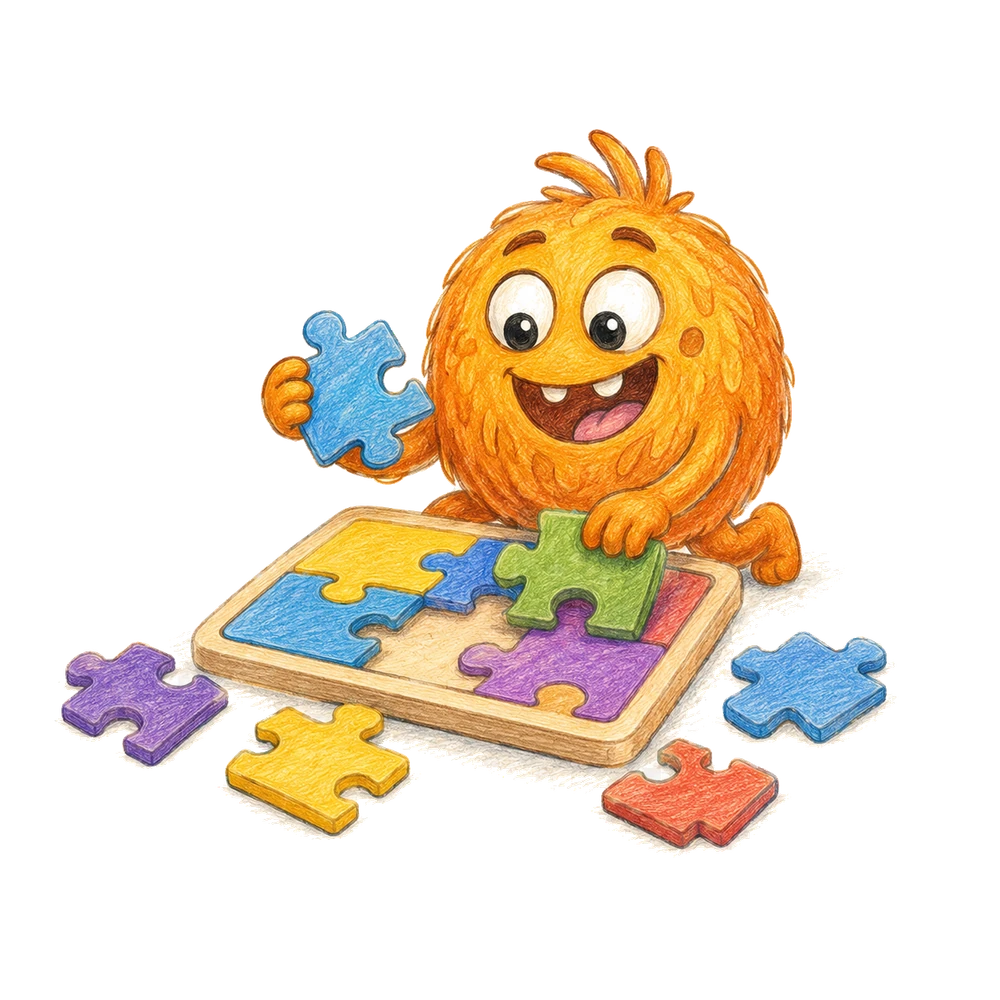
Match puzzle complexity to the intended spatial challenge. Fewer large pieces can still require useful turning and matching.
9 min read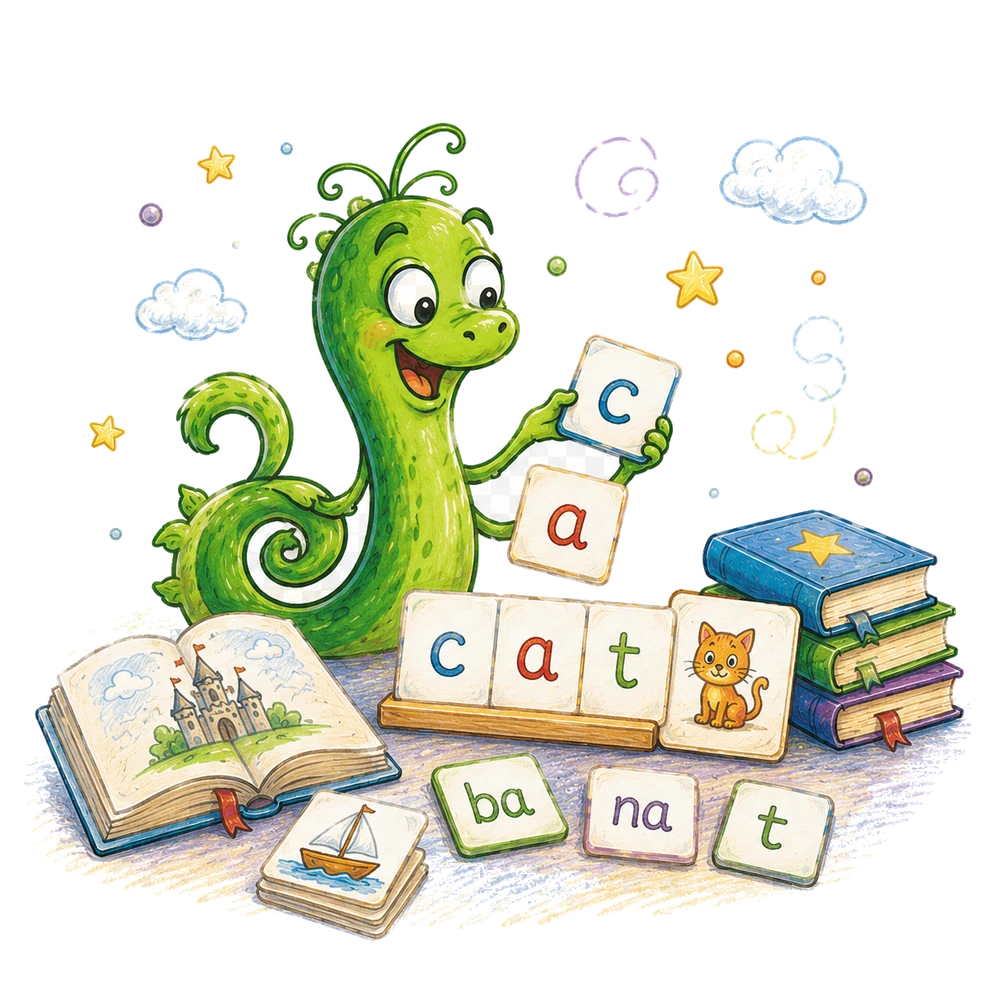
Separate vocabulary recognition from reading demands. A child may sort animal pictures before independently reading their names.
9 min read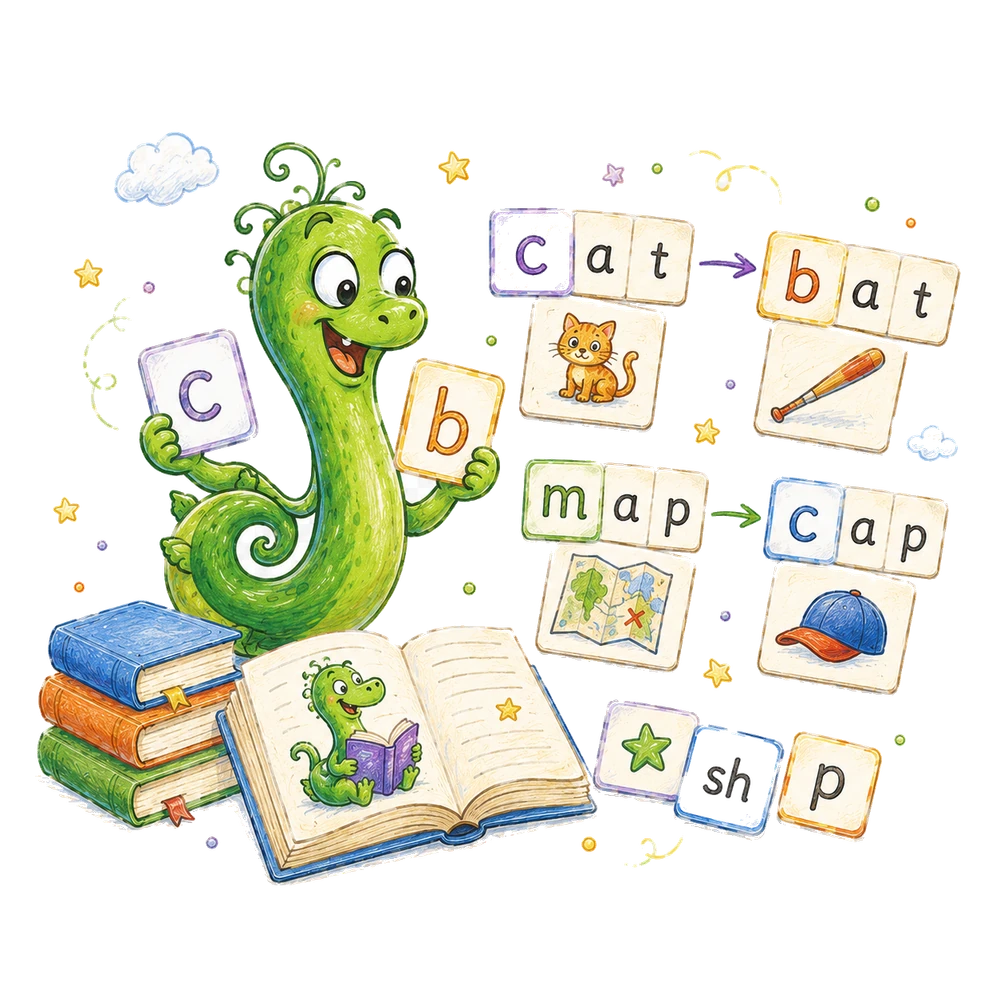
Compare isolated recognition with reading in a meaningful context. Can on a card and can in I can hop use the same printed word.
9 min read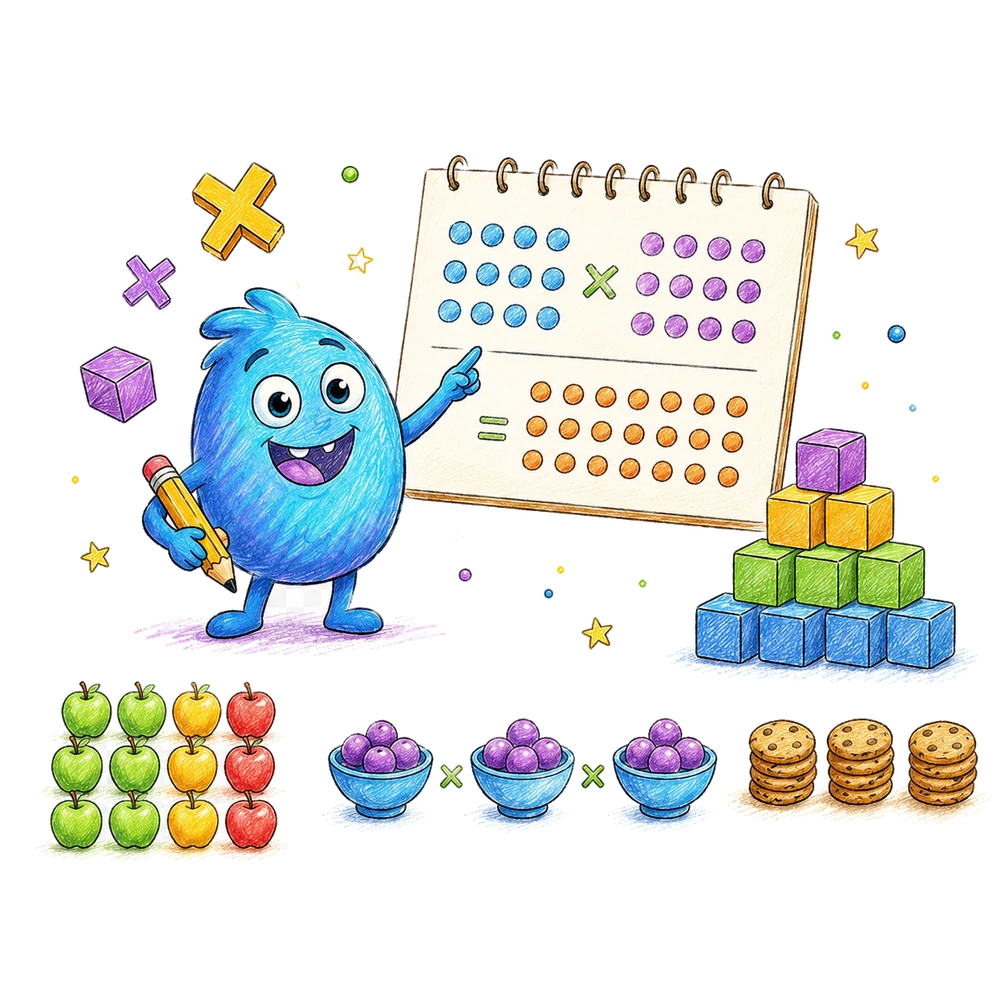
Distinguish reciting a sequence from counting a set. Saying one through five is different from assigning one word to each object.
10 min readCompare controlled examples with varied everyday materials. A plain swatch is simpler than a patterned fabric sample.
9 min readChoose formats by purpose rather than by the number of tools used. The same counting idea can appear on screen and at the table.
10 min read
Compare routines by fit, attention, and available support. A busy family may manage brief invitations more easily than long sessions.
9 min readCombine recorded performance with insight into the child’s reasoning. A correct answer and a clear explanation provide different information.
9 min readCompare guided motor practice with noticing a letter’s structure. Building an L highlights its two straight parts.
9 min readChoose a storytelling format based on the kind of participation wanted. Wordless pages invite invented narration while written text supplies exact wording.
10 min readCompare realism with visibility and safe handling. A large nickel picture can make its identifying details easier to inspect.
9 min read